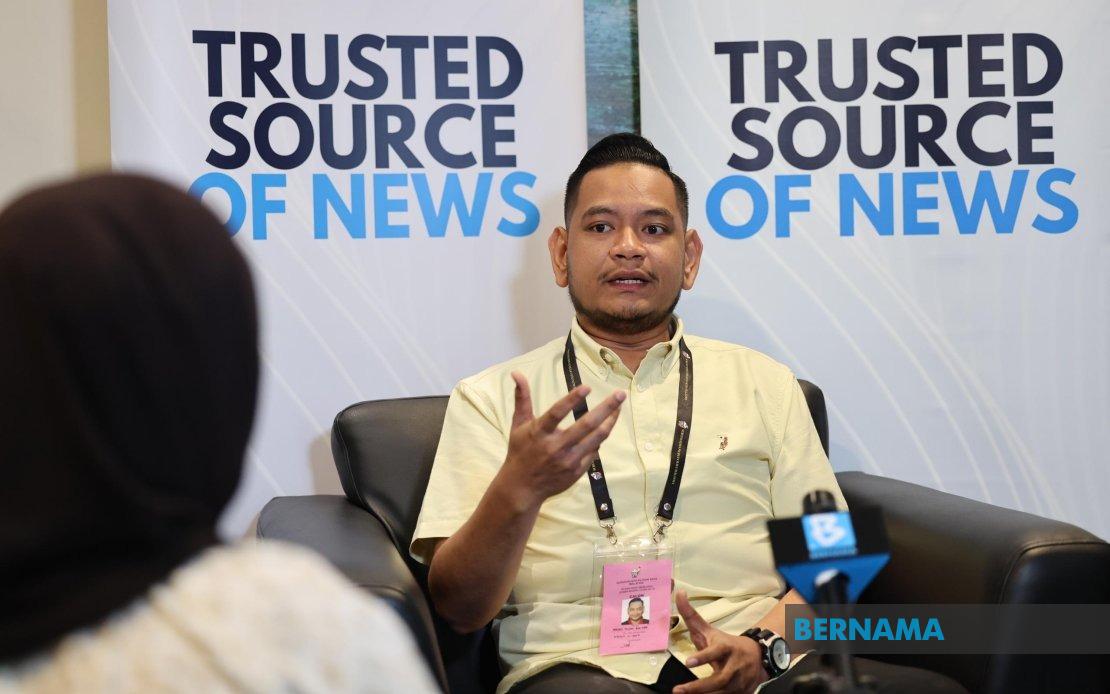
The battle for Johor's Sedili state seat is shaping up as a generational clash, with Pakatan Harapan fielding 29-year-old Amirul Huzni Onn against two politically seasoned contenders in a constituency long dominated by Barisan Nasional. Rather than viewing his relative inexperience as a liability, the Amanah Youth chief is positioning himself as a fresh alternative capable of addressing voter frustrations with business-as-usual politics, even as he acknowledges the formidable experience gap separating him from incumbent Muszaide Makmor and former three-term assemblyman Rasman Ithnain, who is contesting under Perikatan Nasional's banner.
For younger candidates entering Malaysian politics, the question of credibility has always loomed large. Amirul Huzni's approach offers an intriguing counter-narrative: he argues that lacking a political track record is itself an advantage rather than a weakness. His "blank canvas" framing suggests voters frustrated by perceived failures or unfulfilled promises from established politicians might view an untested but energetic newcomer as a worthwhile gamble. This rhetoric has gained traction among younger voters across Southeast Asia, though its practical effectiveness remains uncertain in a Johor constituency where traditional power structures run deep.
The Sedili constituency presents a particular challenge for the young PH candidate. As a BN stronghold, the division has historically rewarded incumbency and party machinery, both areas where the opposition has traditionally struggled. Rasman Ithnain's three-term history in the seat means substantial ground networks and voter loyalty built over years, while Muszaide Makmor brings the full resources of the ruling coalition to bear. Amirul Huzni's campaign must therefore transcend conventional electoral competition and offer something distinctly different to persuade voters to abandon established patterns.
The candidate's focus on infrastructure grievances demonstrates strategic pragmatism. His commitment to realising the long-delayed fuel station for Sedili—a facility that fishermen and recreational anglers have reportedly anticipated for extended periods—targets a concrete, localised need rather than sweeping national rhetoric. The fact that the site has been identified and land cleared for over a year without development suggests bureaucratic inertia or resource constraints that a younger, more energetic representative might theoretically resolve more expeditiously. This specificity could resonate with residents fatigued by empty campaign promises.
Amirul Huzni's electoral philosophy emphasises maturity and respect across partisan lines, a notable positioning given Malaysian politics' occasional descent into acrimony. His stated commitment to "healthy" campaigning and engagement with opponents, even on nomination day, signals an attempt to capture the moral high ground in what could become a contentious race. For Malaysian voters increasingly concerned with political civility and institutional degradation, such messaging holds appeal, particularly among younger and more cosmopolitan constituencies, though rural Johor voters may prioritize tangible delivery over campaign decorum.
The broader strategic context for Pakatan Harapan in Johor remains precarious. The coalition has struggled to establish firm footing in a state where Umno and its BN partners maintain deep institutional roots. Contesting Sedili with a youthful newcomer rather than a heavyweight reflects either confidence in grassroots mobilisation or acknowledgment that the seat presents limited winning prospects regardless of candidate choice. If Amirul Huzni performs significantly better than expected, it would suggest genuine appetite for younger voices; underperformance could reinforce the conventional wisdom that experience and established networks remain determinative in East Coast politics.
The July 11 polling date arrives amid broader regional recalibrations in Malaysian politics. Since the 2022 general election, voter behaviour has shifted unpredictably, with younger demographics showing greater volatility and openness to alternatives. Whether this translates to state-level results in Johor, a state where national and local concerns often diverge significantly, remains unclear. Amirul Huzni's candidacy represents a test case of whether generational change is reshaping Malaysian electoral competition or whether traditional structures continue overwhelming new entrants.
Amanah's decision to field a youth leader rather than a veteran reflects broader coalition calculations. Pakatan Harapan may be signalling that young candidates are worth investing in, building bench strength for future elections even while accepting likely losses in certain strongholds. Alternatively, it could indicate resource constraints forcing the coalition to deploy less prominent figures in uphill battles. Either interpretation suggests Sedili occupies a particular strategic position within PH's Johor architecture.
The campaign dynamics between the three candidates will likely reveal important patterns about voter priorities in contemporary Johor. If Amirul Huzni's focus on the fuel station and other local infrastructure generates significant traction, it would demonstrate that hyperlocal problem-solving can overcome partisan incumbency. If established candidates maintain dominance, it would suggest that political weight, institutional backing, and ground networks remain more influential than demographic freshness or calls for renewal.
Amirul Huzni's acknowledgment that he trails significantly in "traditional influence" reflects clear-eyed assessment of electoral realities. He is not claiming inherent superiority but rather arguing that different criteria should govern voter judgment. This positioning requires voters to abandon conventional calculus—rewarding experience, party machinery, and proven records—in favour of betting on potential, energy, and fresh perspective. Such pivots happen occasionally in electoral politics but require extraordinary circumstances or profound voter dissatisfaction to succeed.
The polling period from early voting on July 7 through election day on July 11 will determine whether Sedili voters embrace renewal or reinforce tradition. Amirul Huzni's campaign essentially asks constituents whether they value the demonstrated track records of his opponents or whether they believe a younger generation's fresh energy and clean slate justify taking electoral risk. The answer carries implications beyond Sedili for how Malaysian politics might evolve regarding generational succession and the political prospects of younger candidates challenging entrenched structures across the region.

