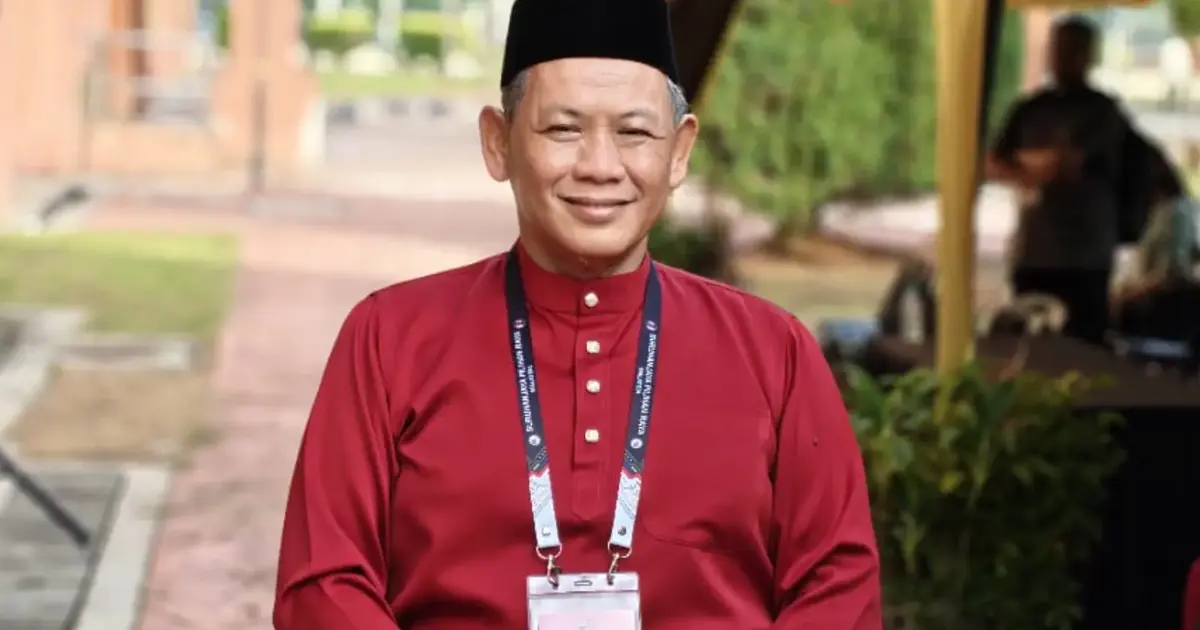
Negeri Sembilan's Menteri Besar Aminuddin is stepping into one of the peninsula's most traditionally pro-Umno constituencies with a three-way contest shaping up in Linggi that reflects the broader fragmentation of Malaysia's political landscape. The Malay-majority seat, which has long been considered a stronghold for the national Umno party, will see Aminuddin face off against Faizal Ramli of Barisan Nasional, who won the seat during the 2023 general election, and a candidate fielded by Bersatu—the faction that split from Umno and now plays kingmaker in Malaysian politics.
Faizal Ramli's 2023 victory in Linggi cemented Barisan's grip on a constituency that has historically delivered substantial majorities for Umno's slate of candidates. His previous electoral performance suggests a solid base of support among the Malay Muslim majority who comprise the bulk of Linggi's electorate. The incumbent has had the advantage of representing the seat in Parliament over the past two years, allowing him to consolidate voter connections and deliver on constituency matters that typically influence reelection prospects in Malaysian politics. Barisan's organizational machinery in Negeri Sembilan remains formidable, with decades of entrenchment in state and local institutions.
Aminuddin's entry as a challenger is noteworthy given his position as Menteri Besar, making this contest one of the highest-profile races involving a sitting state leader. His willingness to contest suggests confidence in his political appeal beyond his existing Selangor base and reflects the competitive environment in which Negeri Sembilan politics operates. As a Pakatan Harapan-aligned figure, Aminuddin represents an alternative to Barisan's dominance, though his success will depend on whether he can mobilize voters frustrated with the incumbent or swing between established parties.
The presence of a Bersatu candidate introduces a significant wild card into the dynamics. Bersatu's role as a coalition partner in government has given the party considerable leverage despite its smaller parliamentary numbers, and it maintains pockets of support in various constituencies including parts of Negeri Sembilan. A three-way split could potentially benefit one candidate if the opposition vote fragments, though equally it might consolidate protest votes against the ruling combination. Bersatu's strategic positioning—capable of joining either Barisan or Pakatan arrangements—means the party's candidate functions as more than a minor contestant; the result will send signals about Bersatu's electoral viability independent of its coalition partnerships.
Linggi's demographics and socioeconomic profile will significantly influence the campaign's trajectory. As a Malay-majority constituency, issues around Islamic education, religious affairs, social welfare, and economic opportunities for the Bumiputera community typically dominate electoral discourse. Candidates will need to address concerns about cost of living, employment prospects in the manufacturing and agricultural sectors that remain important to Linggi's economy, and infrastructure development. The constituency's proximity to Selangor's industrial zones means transportation and connectivity feature prominently in constituent grievances.
The 2023 election result provides a baseline, but political volatility in Malaysia since then suggests voting patterns may have shifted. Voter sentiment regarding economic management, governance standards, and intra-coalition tensions could drive swings that previous election results do not fully capture. Aminuddin's track record as Menteri Besar offers him a platform to highlight achievements in his current role, though whether these resonate with Linggi voters—who may prioritize federal-level representation—remains uncertain. Federal issues including education policy, religious administration, and economic distribution tend to weigh more heavily in parliamentary contests than state-level performance.
The contest also reflects broader tensions within Malaysia's party system. Umno's traditional dominance in Malay-majority constituencies faces challenges from multiple directions: Pakatan's appeal to voters seeking change, and Bersatu's efforts to carve an independent identity despite its coalition ties. A closely contested result in Linggi would signal that even formerly secure Umno territories require active campaigning and cannot be taken for granted. Conversely, a decisive Faizal victory would reinforce assessments that Barisan retains core support in rural and semi-urban Malay communities.
The timing and dynamics of this contest matter for broader Negeri Sembilan politics. Should Aminuddin win, it would enhance his standing within Pakatan and potentially shift the state's political balance. A Faizal victory would validate Barisan's continued electoral appeal and reinforce its position in Negeri Sembilan, where it has performed competitively in recent years. The Bersatu performance, meanwhile, will indicate whether the party can sustain independent electoral relevance or whether it functions primarily as a swing partner in larger coalitions.
From a regional Southeast Asian perspective, this contest exemplifies how Malaysian politics continues to evolve through multi-party competition and shifting alliances rather than a two-bloc arrangement. Unlike some regional democracies with more rigid party systems, Malaysia's fluid political landscape allows figures like Aminuddin to challenge established incumbents across different governance levels. The Linggi race will be watched as a bellwether for whether Pakatan can expand support in traditionally Umno-dominated constituencies and whether Bersatu's independent electoral base justifies its political ambitions.

