Angkatan Muda Harapan (AMH), the youth wing of Pakatan Harapan, has submitted a comprehensive five-point agenda to the government addressing cost-of-living pressures and institutional integrity. The proposals, unveiled following a conference and formally presented by AMH chief Woo Kah Leong, Angkatan Muda Keadilan chief Muhammad Kamil Abdul Munim and Amanah Youth chief Hasbie Muda, reflect mounting concerns among younger voters about subsidy adequacy and corporate accountability.
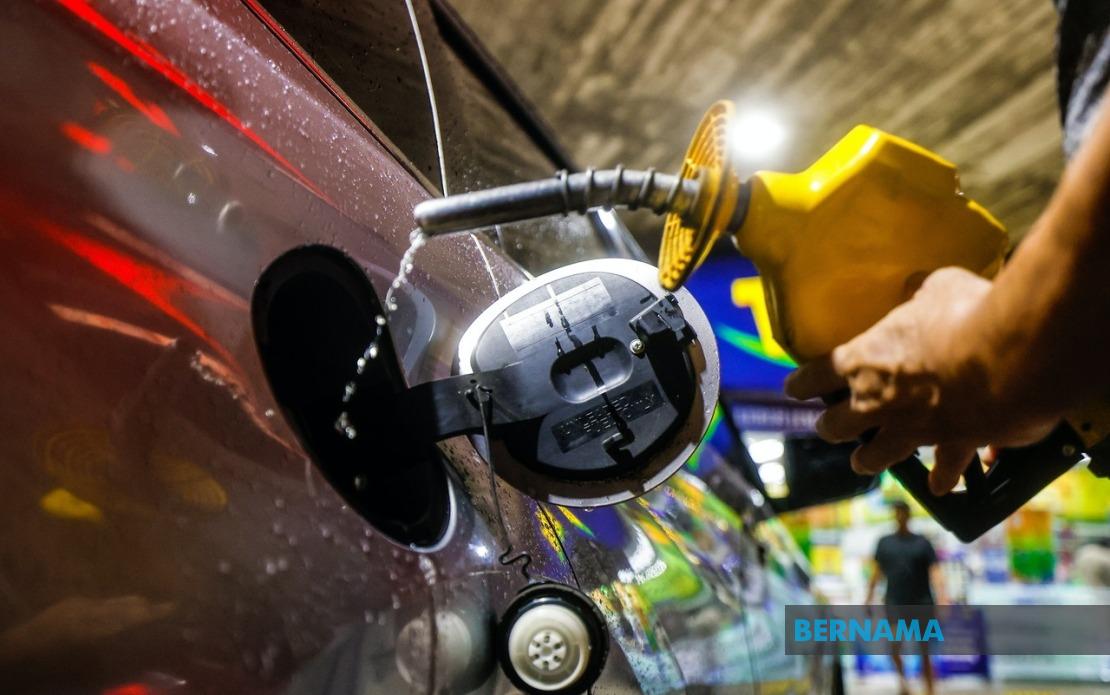
The most immediately impactful proposal seeks to expand the BUDI95 fuel subsidy programme from its current 200-litre monthly ceiling to 300 litres. AMH argues this adjustment would meaningfully reduce household transportation costs for workers relying on private vehicles for commuting, business operations and family responsibilities. For Malaysian commuters already stretched by inflation across multiple sectors, the additional 100 litres represents substantial relief, particularly in regions where public transport infrastructure remains underdeveloped. The youth wing characterizes the increase as necessary to reflect evolving mobility patterns and the genuine costs of employment and commerce in contemporary Malaysia.
Beyond simply raising the quota, AMH has identified systemic weaknesses in the BUDI MADANI Diesel mechanism that demand urgent rectification. The organisation contends that opacity in eligibility criteria, registration procedures and needs-assessment processes inadvertently excludes genuinely vulnerable citizens from accessing support they qualify for. This criticism suggests that despite government intentions, the subsidy apparatus contains gatekeeping failures that undermine its stated equity objectives. Strengthening these mechanisms would require clearer communication, streamlined application pathways and transparent criteria that applicants can readily understand and satisfy.
A second major initiative targets governance standards across government-linked companies (GLCs), government-owned enterprises and any institutions handling public funds. AMH demands comprehensive investigations into all allegations involving corruption, abuse of authority, financial misappropriation, undisclosed conflicts of interest or systemic governance deficiencies, emphasising that such scrutiny must apply universally regardless of the political affiliation of individuals implicated. This stance reflects dissatisfaction with perceptions of selective enforcement and political protectionism that undermine public confidence in institutional integrity.
The youth organisation further advocates for structural governance improvements including contract transparency, genuinely competitive procurement processes where merit and value determine outcomes, mandatory conflict-of-interest disclosures for decision-makers, rigorous and independent auditing functions, and explicit accountability frameworks that hold leadership responsible for failures. These mechanisms represent fundamental governance infrastructure that most advanced democracies consider standard, yet their inconsistent application in Malaysia remains a persistent challenge affecting both business confidence and public trust.
On democratic participation, AMH champions amendments to the Peaceful Assembly Act 2012 to align legislation with mature democratic principles. The organisation explicitly rejects governance models where citizens self-censor for fear of reprisal, articulating instead a vision where the MADANI administration welcomes diverse viewpoints while maintaining public order. This reflects the youth wing's concern that younger Malaysians increasingly self-silence rather than risk official consequences, contradicting democratic norms and limiting genuine policy feedback mechanisms.
AMH's education proposals target meritocratic pathways for high-achieving students. The organisation proposes prioritising Sijil Tinggi Persekolahan Malaysia (STPM) graduates with perfect 4.0 CGPA scores and Sijil Tinggi Agama Malaysia (STAM) students achieving Mumtaz (distinction) results for admission to public higher education institutions (IPTAs). Under the proposal, qualifying students would identify three preferred institutions and be assessed across all three based on programme availability and field-specific requirements, rather than the current fixed-entry system that may exclude exceptional candidates due to administrative bottlenecks.
The STAM recognition component addresses longstanding concerns that Islamic education achievement receives insufficient institutional valuation relative to secular academic qualifications. By granting STAM Mumtaz holders equivalent priority status, AMH seeks to affirm that excellence in Islamic scholarship constitutes equally rigorous academic accomplishment deserving institutional recognition. This proposal carries implications for Malaysia's educational ecosystem and social cohesion by validating Islamic knowledge streams.
Collectively, AMH's agenda reflects youth-segment anxieties about cost burdens, institutional corruption, democratic space and educational equity. The organisation maintains confidence that the MADANI Government retains capacity to strengthen its governance mandate through these initiatives. However, the breadth and specificity of these proposals also suggest that younger Pakatan Harapan supporters are applying substantive pressure on their own coalition government rather than offering unconditional political support.
For the broader Malaysian context, these proposals indicate how coalition governance increasingly involves negotiation between senior leadership and party-affiliated youth organisations representing potentially volatile electoral demographics. Younger voters' receptiveness to either coalition may depend partly on responsiveness to such demands. The fuel subsidy and corporate governance issues particularly resonate beyond youth constituencies, suggesting potential broader appeal if pursued effectively.
The governance and transparency agenda represents perhaps the most philosophically significant element, transcending specific policy grievances to address institutional legitimacy. AMH's insistence on universal accountability standards regardless of political position indicates that younger party members increasingly prioritise institutional integrity over partisan tribal loyalty—a potential shift in Malaysian political culture if sustained across generations.
Implementing these proposals would require political will and administrative capacity, particularly regarding GLC oversight and education system restructuring. The fuel quota adjustment presents the lowest implementation barrier but addresses only immediate cost pressures without addressing subsidy system sustainability. Whether the MADANI administration adopts these recommendations will substantially influence youth-segment satisfaction and coalition cohesion heading toward future electoral cycles.

