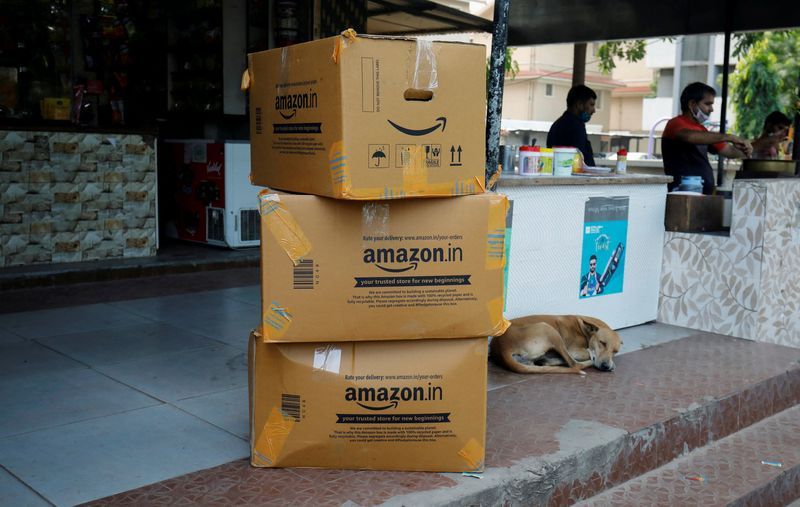
Amazon has vowed to pursue "appropriate action" against one of its third-party delivery partners in India following the conclusion of a police investigation into a fatal fire that claimed the lives of two workers in June. The e-commerce giant, which dominates India's online retail landscape, made the commitment on Thursday as scrutiny intensifies around workplace safety practices within its sprawling logistics network across the country. The company has simultaneously launched its own internal probe into the incident, according to sources familiar with the matter who declined public identification due to confidentiality constraints.
The fire at M&M Logistics Solutions, situated in Uttarakhand in northern India, occurred on June 5 and exposed significant lapses in basic safety infrastructure. According to a police document reviewed by Reuters, the facility operated without a valid fire safety certification, lacked functioning fire alarms and smoke detection systems, and crucially failed to provide adequate emergency exits for workers. These omissions represent fundamental violations of workplace safety protocols that would be considered unacceptable by international standards, yet reportedly went unaddressed at this Amazon delivery hub.
Amazon's measured response signals the company's intention to address the incident through formal channels, though critics argue the delay inherent in completing police investigations allows accountability gaps to persist. The statement that the company will act "in line with our policies" once local authorities conclude their work underscores a reactive rather than proactive approach to safety oversight. This stance raises questions about Amazon's ability to monitor the operational standards of its vast network of third-party logistics providers, a critical concern given the company's rapid expansion across India's delivery infrastructure.
M&M Logistics Solutions operates an extensive footprint within Amazon's supply chain, managing 45 delivery centres spread across 21 cities throughout northern India, according to information released by Amazon in 2023. This scale of operations means the incident affects not merely two individuals but illuminates potential systemic vulnerabilities across a significant portion of the e-commerce giant's last-mile delivery operations in one of its most important markets. The sheer number of workers employed across this network suggests that safety lapses at one facility may indicate broader compliance issues elsewhere.
Amazon's internal vendor code of conduct explicitly prohibits working environments that pose uncontrolled fire hazards or other safety risks to workers, and permits suspension or termination of third-party contractors for breaching these standards. Yet the gap between policy and enforcement appears substantial, particularly when considering that M&M Logistics operated without proper certifications and safety equipment despite contractual obligations. This discrepancy highlights a fundamental challenge facing large platforms reliant on complex subcontracting arrangements: maintaining consistent safety standards across numerous independent operators becomes exponentially difficult as the network expands.
The company has previously faced pressure from Indian authorities regarding worker safety. During 2024, Amazon came under investigation by India's National Human Rights Commission following complaints of labour law violations at a warehouse near New Delhi during an extreme heatwave. While state authorities subsequently initiated legal proceedings against the company under Indian labour legislation, the incident underscored persistent concerns about whether Amazon's employment practices adequately protect vulnerable workers in demanding conditions.
The Amazon India Workers Union has demanded more rigorous accountability, calling for an independent judicial investigation into the deaths and characterizing the incident as a catastrophic failure in workplace safety and worker protection. This call reflects broader frustrations among labour advocates who argue that corporate promises of remediation ring hollow without independent oversight and transparent consequence mechanisms. The union's intervention signals that affected communities and organized labour groups are unwilling to accept company-led investigations as sufficient safeguards.
For Malaysian and Southeast Asian readers, this case carries significant implications as regional e-commerce platforms increasingly adopt similar third-party logistics models to scale operations rapidly across markets. The incident at M&M Logistics Solutions demonstrates how outsourcing arrangements can create accountability vacuums where safety responsibility becomes diffuse and enforcement inconsistent. As platforms like Lazada, Shopee, and others expand their logistics networks across the region, regulators and labour advocates should examine whether comparable safety infrastructure gaps exist in their supply chains.
The tragedy also reflects broader tensions within India's rapidly expanding gig economy and logistics sector, where cost competition often drives margins so low that comprehensive safety investments become optional rather than integral. Workers in delivery and logistics roles frequently lack formal employment protections, making them particularly vulnerable to unsafe conditions. The fire at M&M Logistics represents not an isolated accident but rather a symptom of structural pressures within the industry that prioritize speed and cost efficiency over worker welfare.
Amazon's commitment to action remains contingent on investigation completion, a timeline that could extend months or longer given typical bureaucratic processes in India. During this interim period, workers continue operating within potentially hazardous environments at partner facilities, raising ethical questions about whether the company should implement immediate precautionary measures rather than waiting for formal findings. The company has repeatedly emphasized that worker safety constitutes its highest priority, yet its operational response to known deficiencies appears measured and procedurally circumscribed rather than demonstrating genuine urgency.
The incident arrives as Amazon faces intensifying regulatory scrutiny across India regarding labour practices, competitive conduct, and compliance with local regulations. This cumulative pressure suggests the company will face mounting expectations to demonstrate meaningful change beyond rhetorical commitments. Stakeholders ranging from workers' unions to government agencies increasingly demand tangible evidence that platforms are implementing systematic improvements rather than managing incidents reactively after tragedies occur. For Amazon, the stakes extend beyond this single incident to encompass the company's broader reputation and regulatory standing within India's increasingly assertive regulatory environment.

