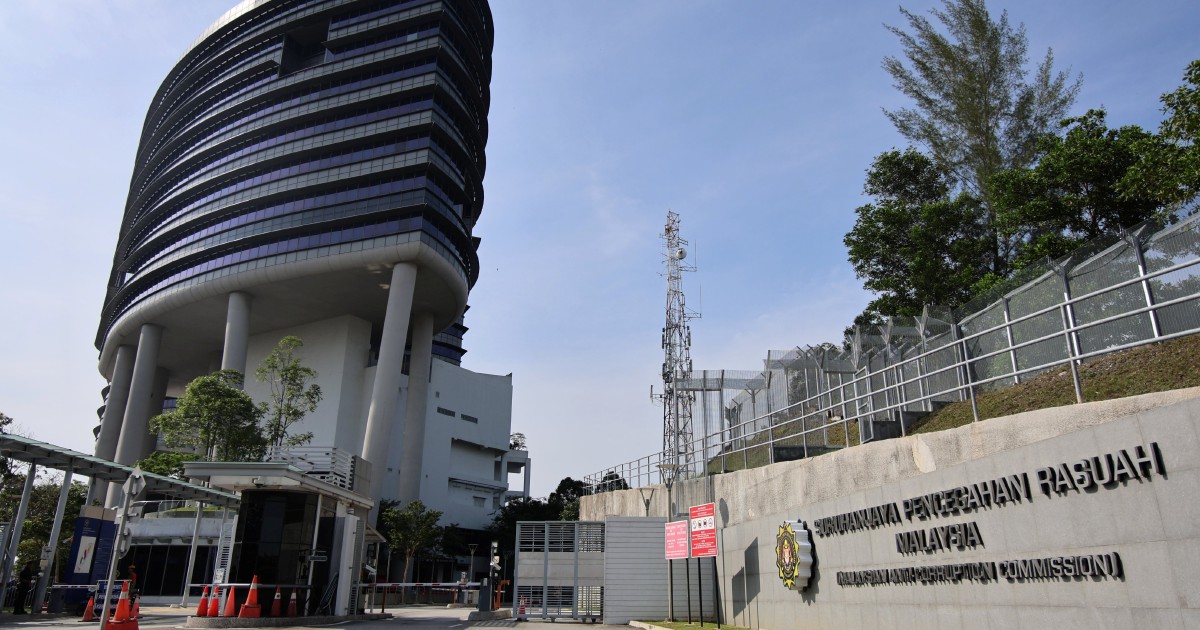
The Malaysian Anti-Corruption Commission released Datuk Azmi Ahmad, the group managing director and chief executive officer of Alam Maritim Resources Bhd, from remand custody on Wednesday following questioning in connection with an ongoing corruption investigation. The move marks a significant development in a probe that has drawn scrutiny toward one of Malaysia's established marine services providers, though the MACC's substantive investigation into the matter continues unabated.
Alam Maritim Resources Bhd operates within Malaysia's competitive maritime and offshore support services sector, providing essential infrastructure and logistics to the oil and gas industry as well as other marine-dependent sectors. The company's prominence in this field meant the detention of its most senior executive triggered immediate market and industry attention, particularly given the transparency concerns that often surround high-profile corporate investigations. The release of Datuk Azmi Ahmad does not signal closure of the case; rather, it represents a procedural shift in how the MACC intends to advance its inquiry.
The timing of such investigations carries particular weight within Malaysian corporate governance discourse. In recent years, the country has intensified its focus on curbing corruption through institutional strengthening and more aggressive enforcement mechanisms. The MACC, as the primary investigative body tackling graft allegations, has demonstrated heightened activity across multiple sectors and company sizes. This probe into Alam Maritim's leadership exemplifies a broader pattern wherein the commission has expanded scrutiny beyond traditional government-linked entities to include publicly listed private firms.
For stakeholders in the maritime and offshore support services industry, the development carries implications extending beyond the immediate company. Investigations into executive leadership at established firms can trigger broader questions about sectoral compliance standards and governance frameworks. The offshore and marine services segment, which intersects heavily with Malaysia's energy sector and contributes meaningfully to the national economy, operates within an increasingly regulated environment both domestically and internationally. Any successful corruption finding could prompt enhanced auditing protocols across peer organizations.
The release from remand suggests either that the MACC has gathered preliminary evidence sufficient to support its investigation without continued detention, or that the commission believes further custodial questioning would yield diminishing investigative returns at this stage. Malaysian anti-corruption procedures typically involve distinct phases of questioning, evidence compilation, and case construction before potential prosecution. The transition from remand to conditional freedom represents a common juncture within this process, allowing investigators to pursue documentary evidence and witness statements while maintaining judicial oversight through bail conditions.
For Alam Maritim Resources Bhd itself, the situation presents both reputational management and operational continuity challenges. Listed companies undergoing leadership investigations face potential investor anxiety, client hesitation, and personnel instability. Stock market perception frequently shifts sharply when senior executives face corruption allegations, regardless of presumptions of innocence. Management must balance transparency with confidentiality obligations while investors assess whether governance structures adequately protect shareholder interests during executive leadership uncertainties.
The maritime sector's specific vulnerability to integrity concerns warrants examination. Global anti-corruption frameworks increasingly target maritime transport and offshore operations, recognizing historical patterns of illicit conduct including bribery of port officials, falsification of vessel documentation, and corrupt procurement practices. International bodies such as the International Maritime Organization have progressively tightened governance standards, creating overlapping domestic and international compliance obligations for Malaysian maritime companies. Any corruption finding within this sector could trigger downstream effects on contractual relationships and regulatory standing.
Contextualizing this within Malaysia's broader anti-corruption trajectory proves instructive. The country has committed publicly to combating institutional graft through institutional frameworks and criminal enforcement. The MACC's investigative activity, while sometimes controversial regarding selective application, reflects governmental commitment to addressing corruption concerns spanning corporate and public sectors alike. Investigations targeting executive leadership at prominent companies signal willingness to pursue cases regardless of corporate status or economic prominence.
Stakeholders ranging from institutional investors to competitors will monitor how the investigation progresses and what evidence ultimately emerges. The maritime industry, already operating within tight regulatory margins and competitive pressures, maintains particular interest in whether the probe reveals systemic governance failures or isolated individual misconduct. Such determinations shape not only consequences for Alam Maritim Resources Bhd specifically but also broader industry confidence and operational standards going forward.

