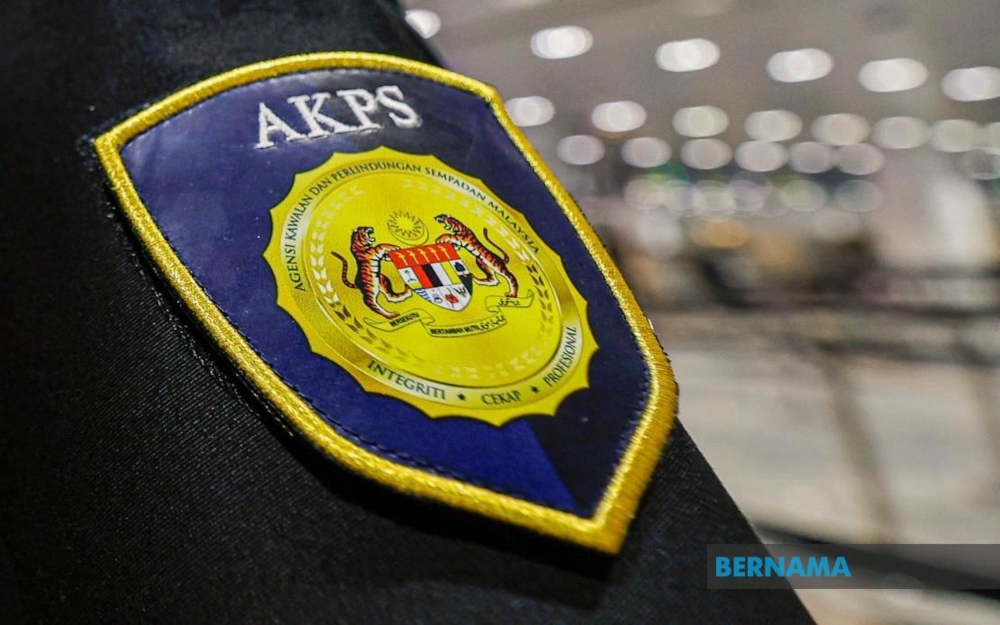
The Malaysian Border Control and Protection Agency (AKPS) is pursuing an internal investigation into allegations that an officer at Kuala Lumpur International Airport Terminal 2 (KLIA 2) received a RM100 payment through a personal QR code, marking a troubling intersection between digital payment convenience and institutional integrity. The probe, initiated in Sepang, represents the latest flashpoint in ongoing concerns about corruption risks at Malaysia's aviation checkpoints, where growing passenger volumes and staff pressures have created conditions ripe for misconduct.
The incident underscores how modern payment technologies, while streamlining everyday transactions, can be weaponised to facilitate bribery in ways that traditional cash handovers might attract greater scrutiny. QR codes have become ubiquitous across Malaysia's retail and service sectors, but their application in securing quick, traceable transfers between individuals has created grey zones in enforcement. The use of a personal digital wallet rather than official channels suggests a deliberate attempt to circumvent institutional oversight, a sophistication that distinguishes this case from conventional corruption allegations.
KLIA 2, which processes roughly half of Malaysia's international air passengers annually, operates under intense operational stress that officials acknowledge contributes to vulnerability to corrupt practices. The terminal handles approximately 25 million passengers per year across its facilities, creating a high-throughput environment where individual officer conduct becomes difficult to monitor comprehensively. The AKPS's internal investigation must contend with this structural challenge while establishing whether isolated misconduct or systemic problems are at play.
The timing of this investigation coincides with broader global scrutiny on airport corruption, particularly in Southeast Asia where international traveller volumes have rebounded sharply following pandemic disruptions. The International Air Transport Association and customs enforcement bodies across the region have flagged airport terminals as persistent vulnerability points for financial crimes, human trafficking facilitation, and smuggling. Malaysia's case mirrors similar investigations in Thailand, Indonesia, and the Philippines, suggesting that the problem transcends individual institutional failures and reflects regional challenges in enforcement integrity.
For travellers using KLIA 2, the allegation raises practical concerns about passenger experiences and whether informal payments have become normalised or expected at immigration counters. While no evidence suggests systemic extortion, the mere possibility that officers solicit payments—however disguised through digital means—damages public confidence in border processes and international perceptions of Malaysian aviation security standards. Tourism and business communities, both sensitive to delays and additional costs at entry points, monitor such investigations closely as indicators of institutional health.
The AKPS faces institutional pressure to demonstrate that its oversight mechanisms can detect and prevent corruption despite operational constraints. The agency reports to the Ministry of Defence and operates across Malaysia's land and maritime borders, making the investigation both a test of internal discipline and a signal to other agencies about acceptable conduct standards. A thorough and transparent probe could strengthen institutional credibility, while inadequate investigation or light penalties would reinforce perceptions of ineffective accountability.
Digital payment systems have proliferated across government-linked agencies in Malaysia, from port authorities to immigration checkpoints, creating multiple avenues where personal QR codes could theoretically be deployed for illicit purposes. The AKPS investigation may prompt broader reviews of payment protocols and digital transaction monitoring across border agencies. Institutional reforms—such as mandatory use of official payment gateways, real-time transaction audits, and surveillance camera integration—could emerge as recommendations to prevent similar incidents.
The involvement of a KLIA 2 officer is particularly significant because the terminal represents Malaysia's aspirational commitment to world-class aviation infrastructure and passenger experience. KLIA 2 was designed as a showcase facility when it opened in 2014, positioning Malaysia as a premium air transport hub. Corruption allegations, even when isolated, risk undermining these branding efforts and the competitive advantages Malaysia seeks to maintain against rival regional hubs in Singapore, Thailand, and the Philippines.
International business travellers and executives frequently transit through KLIA 2 en route to Malaysian business destinations, and their perceptions of border integrity influence investment decisions and corporate relocation choices. When such travellers encounter or learn of allegations of irregular payments or corruption, they factor these concerns into risk assessments for operating in Malaysia. The reputational implications extend beyond tourism into foreign direct investment, a critical component of Malaysia's economic growth strategy.
The investigation also intersects with Malaysia's broader anti-corruption agenda, which has been inconsistently implemented across different administrative levels. The Malaysian Anti-Corruption Commission (MACC) maintains formal authority over corruption investigations, but institutional boundaries between MACC oversight and agency-specific internal investigations sometimes create jurisdictional ambiguities. Clarity on whether AKPS is conducting a preliminary inquiry before referring findings to MACC, or pursuing independent disciplinary action, will signal how seriously the matter is treated within governmental hierarchies.
Staff welfare and remuneration at border agencies merit consideration in understanding corruption vulnerability. AKPS officers work demanding shifts managing high-volume passenger flows, often in stressful environments involving rule enforcement and occasional confrontation. If compensation packages are perceived as inadequate relative to operational demands, financial temptations may exert outsized psychological pressure on some individuals. Institutional responses addressing root causes—rather than merely punitive measures—could strengthen long-term integrity frameworks.
As the investigation proceeds, Malaysian authorities face an opportunity to demonstrate institutional resilience and commitment to rule of law at a critical juncture where public trust in government institutions remains fragile. The outcome will likely influence how comparable allegations at other airports and border facilities are subsequently handled, establishing precedent for institutional response standards across Malaysia's border and aviation security apparatus.

