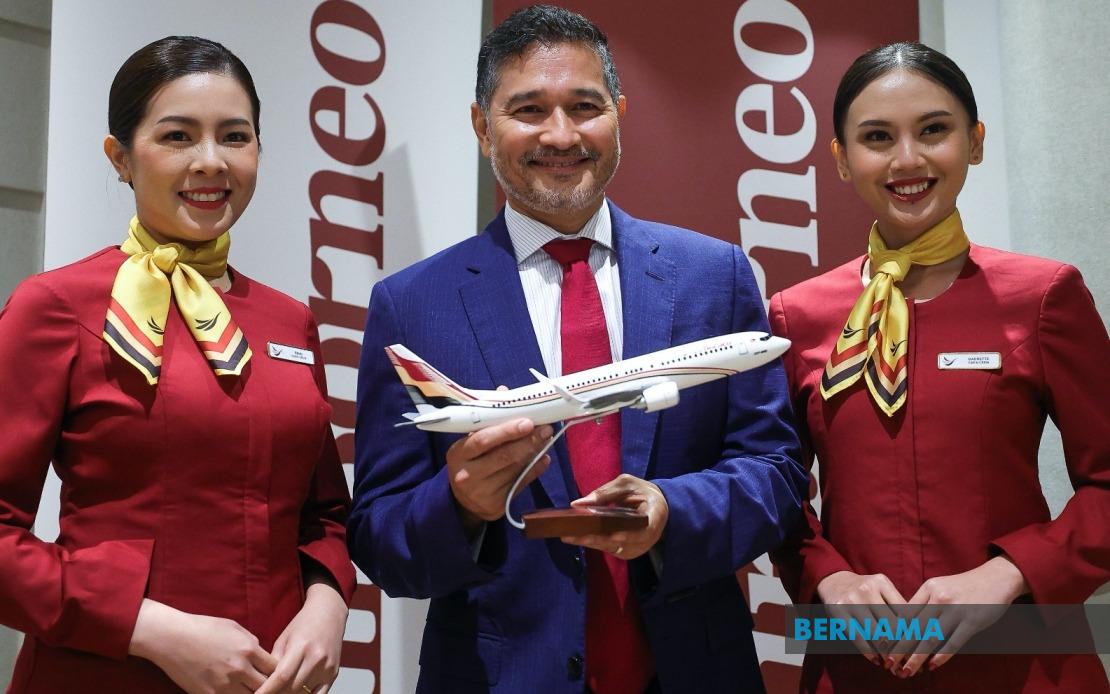
Sarawak's state-owned airline AirBorneo has pledged to maintain a standardised all-in one-way fare of RM375 between Kuala Lumpur and Kuching throughout the entire year, marking a deliberate effort to inject stability into a route long plagued by seasonal price volatility. The commitment, announced during a media gathering in Kuching, represents a strategic response to persistent complaints from Sarawakian travellers about elevated airfares connecting the state to Peninsular Malaysia. By eliminating seasonal fluctuations that typically see prices spike during peak travel periods, the airline hopes to make regional air connectivity more predictable and accessible for business and leisure passengers alike.
The RM375 pricing framework emerged from meticulous analysis spanning the first six months of operations, according to AirBorneo chief executive officer Megat Ardian Wira Mohd Aminuddin. The airline conducted a comprehensive review of historical fare data while simultaneously factoring in the unpredictable nature of international fuel price movements, which traditionally exert significant downward or upward pressure on ticket costs. This methodical approach distinguishes AirBorneo's strategy from competitors who adjust pricing dynamically based on demand curves and fuel cost fluctuations, sometimes creating substantial disparities between advertised base fares and total ticket prices when ancillary charges are included.
When benchmarking against rival carriers servicing the same corridor, AirBorneo deliberately positioned its RM375 offering within the competitive range established by existing competitors. Megat Ardian Wira underscored an important distinction: while some airlines promote rock-bottom headline fares, these figures often mask substantial add-on charges for airport taxes, fuel surcharges, and other mandatory levies. The Sarawak carrier's all-in pricing model therefore provides transparency that enables meaningful price comparison across the market. For Business Class travellers, the airline simultaneously introduced an all-in one-way fare of RM736, encompassing the same bundled costs and additional premium cabin amenities.
The twice-daily service connecting Kuching International Airport with Kuala Lumpur International Airport's Terminal 1 commenced operations as part of AirBorneo's broader expansion strategy aimed at deepening connectivity between Sarawak and Peninsular Malaysia. This route holds particular significance for the regional economy, facilitating business travel between Malaysia's largest state and the federal capital while simultaneously strengthening social ties across the country. The stability that the RM375 commitment provides could theoretically expand market demand by reducing consumer uncertainty around future pricing, potentially boosting passenger volumes sufficiently to improve load factors and operational efficiency.
The underlying impetus for this pricing strategy reflects genuine grievances within Sarawak's business and travelling communities regarding the premium charged for regional air connectivity. High airfares have historically constrained tourism development, business expansion, and family travel within the region, creating a competitive disadvantage compared to similarly-distanced routes in other parts of Southeast Asia. By deliberately decoupling fares from seasonal demand variations, AirBorneo seeks to remove one structural barrier inhibiting economic dynamism and social cohesion across the Malaysia–Sarawak divide. Megat Ardian Wira explicitly framed the initiative as a stabilisation mechanism designed to address long-standing market complaints rather than temporary promotional activity.
AirBorneo's ambitions extend considerably beyond domestic route development. The airline has signalled aspirations to secure designation as the official carrier for the 2027 Southeast Asian Games, which Sarawak will co-host alongside other venues within the region. This positioning would confer significant operational responsibilities including the facilitation of athlete transport, accommodation logistics for international delegations, and supporter movement throughout the games period. Such a role would substantially elevate AirBorneo's regional profile while simultaneously generating substantial charter flight opportunities and exposure to international sports tourism markets currently underserved by Sarawak-based carriers.
Preparing for potential SEA Games responsibilities necessitates network expansion beyond existing domestic operations. AirBorneo management has publicly committed to launching scheduled services to two or three Association of Southeast Asian Nations destinations by early 2025, deliberately timing this expansion to precede the 2027 games. These regional routes would establish the operational capabilities and international connectivity infrastructure essential for managing games-related travel flows. The progression from domestic operator to international carrier represents an ambitious developmental trajectory, leveraging major sporting event hosting as a catalyst for structural aviation industry advancement within Sarawak.
The timing of AirBorney's route expansion and pricing commitments reflects sophisticated strategic thinking regarding the intersection of state economic development, air transport policy, and major event hosting. Sarawak's government has prioritised aviation connectivity as a lever for economic diversification and tourist attraction, recognising that high-cost air access fundamentally constrains market development. By combining year-round fare stability with explicit regional network ambitions, AirBorneo positions itself as an instrument of state policy while simultaneously pursuing commercially viable growth trajectories. This alignment of commercial and developmental objectives suggests the airline enjoys implicit government support for expansion initiatives.
For Malaysian passengers more broadly, AirBorneo's competitive entry into the KL–Kuching corridor introduces welcome competition into a market previously dominated by established full-service carriers. Competitive pressure typically improves overall market pricing and service quality, benefiting consumers regardless of which airline they ultimately select. The Sarawak carrier's deliberate rejection of dynamic pricing models aligns with growing consumer preference for pricing predictability and transparency. Whether other airlines respond by matching AirBorneo's all-in fare approach or emphasizing service differentiation will likely define competitive positioning on this strategically important domestic route over coming years.
The sustainability of AirBorneo's RM375 commitment depends fundamentally on achieving sufficient passenger volumes to maintain positive unit economics at this price point. If fuel costs decline significantly, the airline retains inherent pricing flexibility without contractual obligations to reduce fares further. Conversely, should fuel costs rise substantially above current assumptions, the commitment could compress margins and potentially constrain growth investment. The airline's explicit mention of fuel price volatility in its analytical framework suggests management recognises this risk factor, having presumably incorporated reasonable fuel price assumptions into the RM375 determination. This pricing discipline, rather than aggressive loss-leader strategies, suggests confidence in long-term demand sustainability for KL–Kuching air connectivity.

