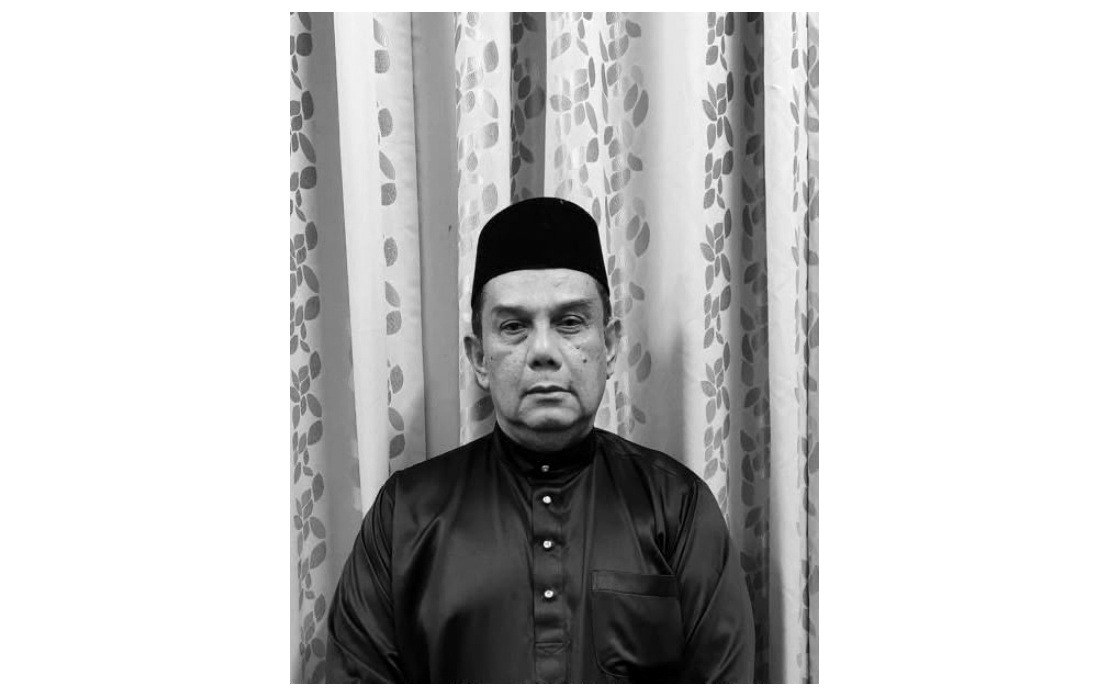
Datuk Jailani Harun, the longtime diplomatic officer to UMNO president Datuk Seri Dr Ahmad Zahid Hamidi, passed away at Hospital Serdang in Kuala Lumpur on the morning of July 7. He was pronounced dead at 11:34 am, with news of his death confirmed through the Office of the Deputy Prime Minister and subsequently by his eldest daughter, Nabilla, who is 33 years old.
Jailani, who began his career as a journalist before transitioning into diplomatic and political advisory work, had maintained a close association with Ahmad Zahid's office for many years. His role as a diplomatic officer placed him at the intersection of UMNO's internal operations and its external communications strategy, a position that required both discretion and deep understanding of Malaysia's complex political landscape.
The burial arrangements reflect the family's wishes and cultural practices. His remains were transferred to Al-Mubarakah Mosque in the Taman Bukit Cheras neighbourhood, where funeral prayers took place. Following the completion of prayers after Asar time, he was laid to rest at Alam Damai Cheras Cemetery. The choice of these locations underscores his family's roots within the Kuala Lumpur area and their connection to the local community.
Communications Minister Datuk Fahmi Fadzil was among the prominent figures who extended condolences to Jailani's family and circle of friends. In his statement shared via Facebook, Fahmi expressed hope that the family would be granted strength and patience to navigate their grief. He invoked spiritual blessings, praying that Allah would extend mercy to Jailani's soul and grant him a place among the righteous in the afterlife, reflecting the Islamic tradition of honouring the deceased through prayer.
Jailani's passing marks the loss of a figure who bridged Malaysia's media and political spheres. Having worked as a journalist early in his professional life, he possessed firsthand understanding of how news cycles operate and how political messaging reaches the public. This experience made him a valuable asset in Ahmad Zahid's office, where the ability to navigate both internal party dynamics and media relations is essential.
The death comes during a period when UMNO continues to navigate significant political changes within Malaysia's coalition landscape. Ahmad Zahid, as party president, leads the nation's largest Malay-Muslim political organisation, and figures within his immediate circle play crucial roles in shaping party strategy and maintaining communication with key stakeholders. Jailani's contributions to this infrastructure, though often working behind the scenes, would have carried considerable weight in the party's operations.
For the broader Malaysian political establishment, Jailani's death represents the loss of an institutional memory holder. Individuals who have served in advisory and diplomatic capacities over extended periods accumulate knowledge about political relationships, historical context, and the unwritten protocols that govern interactions between senior figures. The loss of such experienced personnel can create gaps in institutional knowledge that are difficult to replace quickly.
The fact that Jailani transitioned from journalism to political advisory work reflects a broader pattern in Malaysian politics, where media professionals often move into government or party roles. This movement between sectors has historically influenced how political parties craft their narratives and engage with the public. Those who have worked on both sides of this divide bring unique perspectives to their advisory positions.
His family, led by his daughter Nabilla, is now left to process their loss while the wider political community pays its respects. In the Malaysian context, where extended family networks and community ties remain deeply important, the funeral arrangements would have served as an opportunity for colleagues, friends, and political associates to publicly acknowledge Jailani's contributions and offer support to his relatives.
The passing of such figures, while individual tragedies, also prompts reflection within political organisations about succession planning and the preservation of institutional knowledge. UMNO, like other long-established parties, must continually consider how to maintain continuity while adapting to changing political circumstances. The role that individuals like Jailani played in facilitating communication and maintaining relationships becomes especially apparent when they are no longer present to perform those functions.

