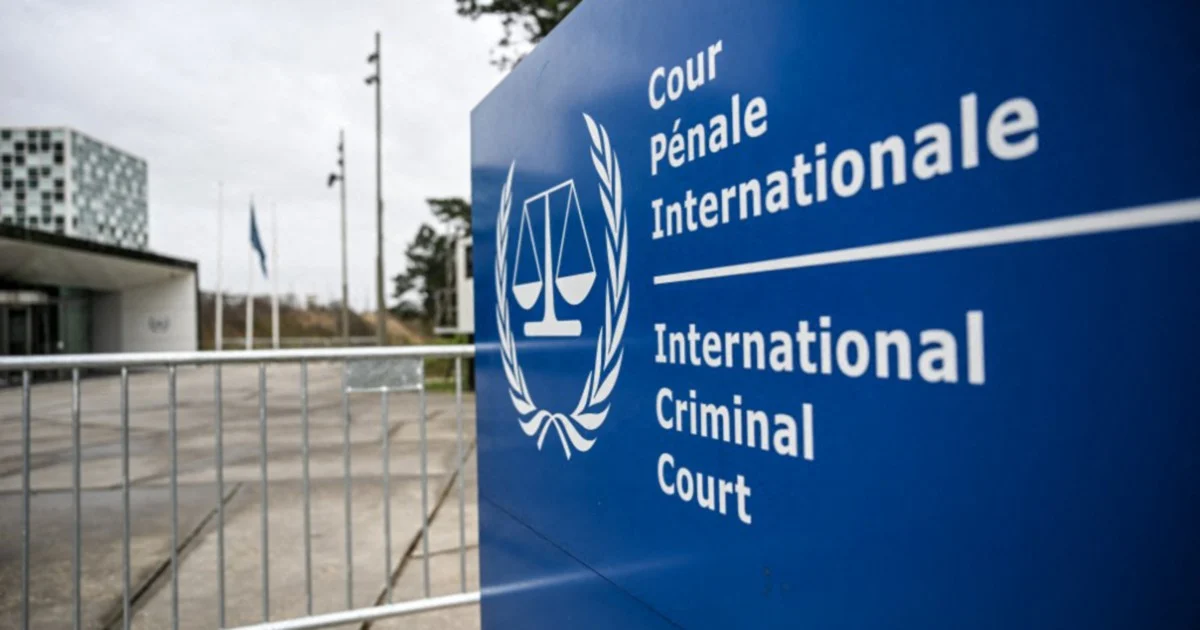
Two United States-based advocacy groups filed legal action against the Trump administration on Wednesday, asserting that punitive measures targeting the International Criminal Court represent an unconstitutional infringement of free speech protections. The lawsuit comes as American diplomatic officials have intensified efforts this week to undermine and ultimately dismantle the multilateral judicial institution.
The fundamental dispute centres on whether the administration's sanctions regime improperly restricts the ability of civil society organisations to advocate for positions and policies they support. The plaintiffs contend that such restrictions effectively silence voices that might otherwise engage in legitimate advocacy regarding international justice mechanisms, a core protected activity under the First Amendment.
Understanding the context of this legal challenge requires recognising the Trump administration's broader antagonism toward the ICC. The court, headquartered in The Hague and established under the Rome Statute, operates as the world's premier permanent international tribunal for prosecuting individuals accused of genocide, crimes against humanity, and war crimes. The current diplomatic campaign represents an escalation of longstanding American opposition to the institution, which has intensified since the ICC's prosecution office opened investigations into alleged war crimes in Gaza and previously issued arrest warrants for Israeli and American officials.
The advocacy groups argue that by imposing sanctions, the administration effectively penalises organisations and individuals for engaging in constitutionally protected speech and association activities related to the ICC. This framing transforms the dispute from a straightforward foreign policy disagreement into a domestic constitutional matter, presenting novel legal terrain. The groups contend that sanctions designed to pressure other nations and entities regarding ICC participation constitute an indirect but meaningful constraint on American citizens' fundamental rights.
For Malaysian and Southeast Asian observers, this lawsuit illuminates important tensions within the American legal and political system regarding international institutions. The region has witnessed various countries navigate complex relationships with international courts and accountability mechanisms. The legal argument advanced by these groups—that foreign policy objectives cannot supersede constitutional protections—may resonate in contexts where governments elsewhere have faced pressure regarding their positions on international justice.
The sanctions regime in question represents part of a broader strategy to isolate and delegitimise the ICC on the international stage. By imposing economic penalties, restricting travel, and targeting assets, the administration seeks to create substantial costs for nations and entities that support or participate in the court's activities. The advocacy groups argue this strategy, regardless of its foreign policy merits, cannot be pursued through mechanisms that contravene domestic constitutional guarantees.
The lawsuit raises important questions about the proper balance between executive authority in foreign policy matters and constitutional limitations on that authority. Courts typically grant substantial deference to presidential decisions regarding international relations, yet this case suggests potential limits to that deference when fundamental constitutional rights intersect with foreign policy choices. The administration may argue that managing diplomatic relations and protecting American interests abroad represent core executive functions exempt from ordinary constitutional scrutiny.
These advocacy organisations have substantial track records promoting international humanitarian law and accountability for mass atrocities. Their legal challenge reflects genuine philosophical commitments to international justice mechanisms, even as they simultaneously advance constitutional arguments about domestic law. This combination—defending both international courts and American constitutional principles—represents an increasingly important position in debates about American engagement with global governance institutions.
The broader implications for international law and justice extend beyond the immediate legal proceedings. If courts determine that sanctions imposed for foreign policy reasons cannot restrict domestic free speech protections, the precedent could affect how governments implement controversial international policies. For nations throughout the Asia-Pacific region evaluating their own relationships with international institutions, observing American constitutional constraints on such policies may prove instructive.
The ICC itself has become increasingly controversial among various constituencies in the United States, with critics spanning the political spectrum. Some oppose it as an infringement on national sovereignty, while others criticise its investigative priorities or operational procedures. This lawsuit complicates the narrative by introducing a new dimension: the assertion that opposition to the court cannot be pursued through constitutionally questionable means, even by those sympathetic to concerns about American sovereignty.
The coming weeks will reveal how courts interpret the intersection between foreign policy authority and constitutional rights in this context. Legal specialists anticipate complex arguments about whether sanctions constitute state action affecting protected speech, and whether any compelling government interest sufficiently justifies potential infringement. The resolution will likely influence how future administrations implement controversial international policies while navigating domestic legal constraints.
For observers tracking American approaches to international justice mechanisms, this case represents more than a procedural dispute. It addresses fundamental questions about what constraints apply when governments pursue foreign policy objectives, and whether constitutional protections extend into the sphere of international relations and diplomacy. The outcome could reshape how the United States engages with multilateral institutions moving forward.

