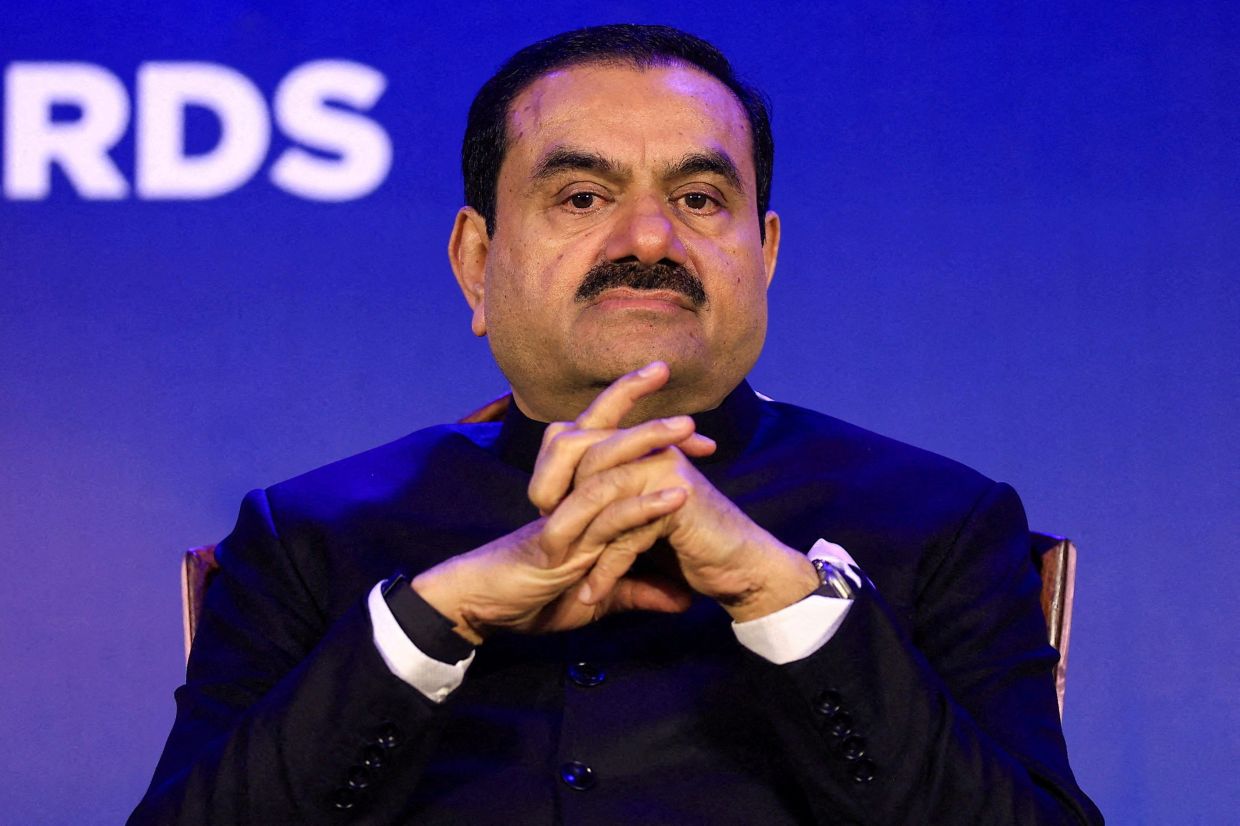
Gautam Adani's legal representatives petitioned a US federal judge on Wednesday to formally terminate criminal charges against the Indian billionaire, following the Department of Justice's decision last month to abandon its prosecution. The move represents a significant development in a case that has captured international attention and raised questions about the scope of US jurisdiction over foreign business dealings and anti-corruption enforcement.
Adani was charged in 2024 with participating in a scheme to distribute bribes to Indian government officials to secure regulatory approval for a solar energy project through one of his subsidiary companies. Prosecutors additionally alleged that the tycoon deceived US investors by providing misleading statements about the integrity of his company's anti-corruption safeguards. The charges represented one of the most high-profile prosecutions of an Indian industrialist in recent years, and the case has carried significant implications for corporate governance standards across South Asia.
In formal submissions to Brooklyn-based US District Judge Nicholas Garaufis, Adani's attorney Robert Giuffra contended that the charges should be expunged on jurisdictional grounds, arguing that US courts lack authority over conduct and transactions occurring entirely within Indian territory. Giuffra further maintained that even if jurisdiction existed, the government would lack sufficient evidence to substantiate allegations of bribery that occurred in India, where the relevant transactions and interactions took place outside American borders and beyond the ordinary reach of federal criminal law.
The Adani Group conglomerate has consistently maintained its innocence throughout the proceedings, rejecting all allegations of improper conduct. The company's categorical denial reflects the substantial reputational stakes involved, as the charges could have undermined investor confidence in one of India's largest industrial enterprises. The case has also implicated questions about corporate accountability in emerging markets and the willingness of US authorities to pursue foreign executives.
A formal dismissal order requires Judge Garaufis's approval, and the submission signals confidence that the court will ratify the Justice Department's prosecutorial judgment. The withdrawal of federal charges removes the most serious legal exposure facing Adani in the United States, though other matters remain outstanding. Giuffra disclosed that the Justice Department's decision to withdraw the indictment followed months of intensive negotiations and substantive discussions between Adani's legal representatives and federal prosecutors, suggesting a negotiated resolution rather than a complete vindication.
Simultaneously, Giuffra requested that Judge Garaufis formally dismiss civil enforcement actions initiated by the US Securities and Exchange Commission. The SEC had pursued allegations that Adani violated securities regulations through disclosure violations. That civil matter has effectively concluded through a settlement arrangement in which Adani agreed to remit US$6 million to the regulator, while his nephew Sagar Adani, who was also implicated in the proceedings, committed to paying US$12 million. Such financial settlements, while substantial, constitute a fraction of potential penalties and typically represent a cost of doing business rather than an admission of guilt.
Beyond the criminal and SEC matters, the Adani conglomerate faces a separate obligation to resolve alleged violations of international sanctions restrictions targeting Iran. Adani Enterprises Limited, the flagship publicly listed unit of the business empire, has committed to paying the US Treasury Department approximately US$275 million to address these sanctions compliance failures. This enforcement action reflects concerns that the company's commercial operations may have inadvertently or otherwise engaged with sanctioned Iranian entities, triggering obligations under the comprehensive Iran sanctions regime administered by the Office of Foreign Assets Control.
The accumulation of these various legal challenges demonstrates the complex regulatory environment facing major Indian industrial conglomerates operating globally. For Malaysian and Southeast Asian business leaders, the Adani case illustrates the extraterritorial reach of US enforcement authorities and the importance of rigorous compliance infrastructure, particularly regarding corruption prevention, securities law adherence, and international sanctions frameworks. Companies operating across borders must maintain scrupulous documentation and governance practices.
The settlement amounts, while representing substantial financial outlays, pale against Adani's overall corporate valuation and market capitalization. Nonetheless, the reputational impact of protracted legal disputes can be significant in emerging markets where investor sentiment remains sensitive to corporate governance perceptions. The formal withdrawal of criminal charges removes the most severe legal clouds, yet the settlements underscore that even major dismissals may carry collateral costs.
For the Indian government and regulatory environment, the case raises ongoing questions about how the nation's anti-corruption frameworks intersect with international standards and whether domestic authorities adequately police their own enforcement mechanisms. The role of bribery allegations in Indian solar project approvals touches on broader governance questions affecting Southeast Asia's renewable energy transition, where similar procurement processes are underway.
Looking forward, approval of the dismissal motion would represent a material resolution of Adani's most acute US legal difficulties. However, the broader institutional and reputational dimensions of these proceedings will likely remain relevant as investors and regulatory authorities internationally assess the governance and compliance standards expected of large South Asian industrial enterprises. The case demonstrates that formal legal vindication does not necessarily erase questions about institutional practices in emerging market economies.

