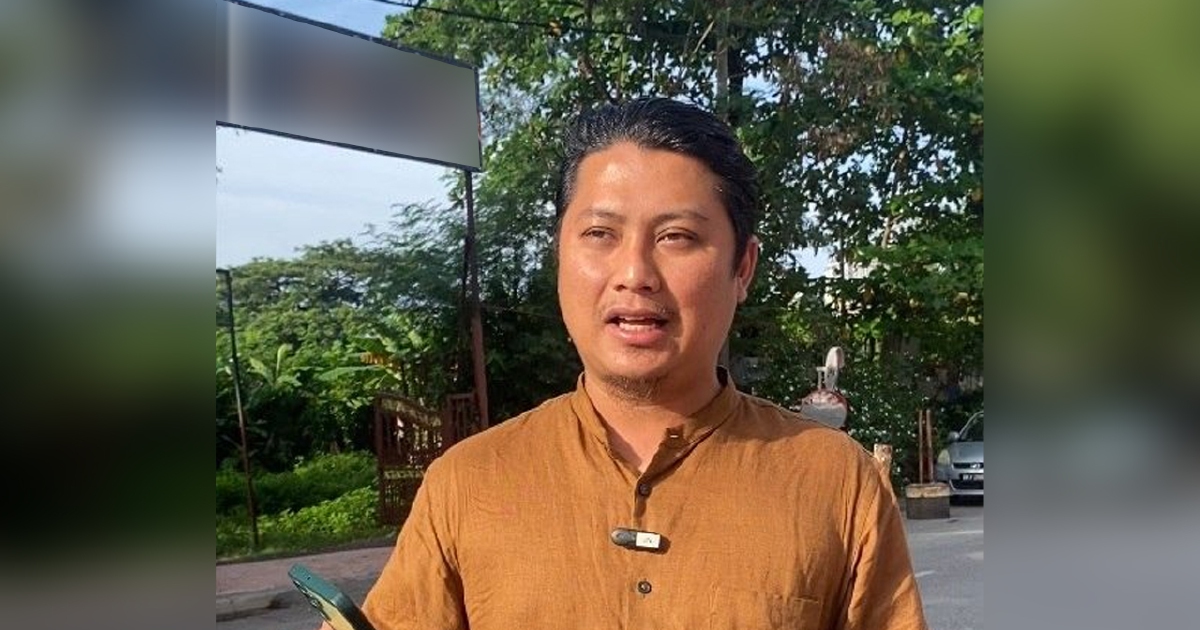
Activist Tamim Dahri Abdul Razak is expected to appear at the Langkawi magistrate's court to answer charges stemming from an allegation that he committed an act intended to insult the religion of another person. The development marks a significant moment in a series of legal troubles that have dogged the activist in recent months, following his reported departure from Malaysia in connection with an earlier Facebook threat investigation.
The charge represents a separate legal matter from the social media case that initially drew attention to Dahri's situation. Authorities had previously launched investigations into allegations that threatening messages were posted on Facebook, which prompted speculation that the activist had fled the country to avoid questioning. His reappearance in Langkawi to face court proceedings suggests either that he has voluntarily returned or that immigration authorities have located and apprehended him during his time abroad.
The religious insult allegation falls under provisions designed to maintain interfaith harmony and respect across Malaysia's religiously diverse society. Such charges carry particular weight in the Malaysian legal system, reflecting the nation's constitutional framework that provides special protections for Islam and recognises the sensitivities surrounding religious expression. The specificity of the charge—that his alleged act was intended to cause insult rather than occurring incidentally—indicates that prosecutors believe they have evidence demonstrating deliberate conduct.
For Malaysian activists and civil society figures, cases involving religious expression have become increasingly scrutinised terrain. While Malaysia's constitution guarantees freedom of speech and assembly, these rights exist within bounds defined by laws protecting religious sentiment and public order. The intersection between advocacy work and religious sensitivities has proven contentious, with activists sometimes finding themselves defending statements made in the context of political commentary or social critique.
The Langkawi magistrate's court appearance will likely attract attention from both civil liberties advocates concerned about free expression issues and religious groups sensitive to perceived slights against their faith. The case underscores ongoing debates within Malaysian society about the appropriate balance between protecting religious feelings and permitting robust public discourse. These tensions have become more visible in recent years as social media platforms enable rapid dissemination of statements that might previously have remained confined to smaller audiences.
Tamim Dahri's earlier reported departure from Malaysia had raised questions about the breadth of police investigations and whether individuals facing potential charges feel compelled to leave the country. His return to face these proceedings may have resulted from diplomatic negotiations, family pressure, or a personal decision to contest the allegations within the Malaysian legal system rather than remain in self-imposed exile. The circumstances of his return remain unclear from available information.
The timing and nature of charges filed against activists often generate scrutiny regarding potential motivations beyond the stated legal violations. Civil rights observers frequently examine whether such prosecutions disproportionately target individuals engaged in particular forms of political expression or advocacy. This case will likely invite similar analysis, particularly given that multiple investigations appear to be proceeding against the same individual within a compressed timeframe.
For the broader Southeast Asian region, Malaysia's approach to managing religious expression through criminal law has implications beyond its borders. Other nations in the region grapple with similar questions about how to maintain social cohesion in religiously mixed societies while preserving democratic freedoms. The outcomes of high-profile cases like Dahri's may influence how neighbouring countries calibrate their own legal responses to religiously sensitive speech.
The magistrate's court proceeding will determine whether sufficient evidence exists to support the charges and establish whether the case will proceed to higher courts or face dismissal. If charges are upheld, the matter could eventually reach district or high court levels, where more substantial penalties might be imposed. The legal journey ahead for Dahri will likely span several months, during which both the substantive allegations and broader questions about the boundaries of acceptable expression in Malaysia will come under examination.
Activist networks and civil society organisations will be watching this case closely as one of several recent prosecutions involving questions of religious expression and public discourse. The outcome may set precedents for how authorities interpret relevant statutes and how courts evaluate evidence in cases where intent and the nature of an alleged insult become central legal questions. For Dahri himself, the coming court appearance represents both a test of his willingness to defend his conduct within Malaysia's legal framework and a potential turning point in his activist career.

