Melaka Chief Minister Datuk Seri Ab Rauf Yusoh has been granted unrestricted authority to conduct negotiations regarding political cooperation arrangements ahead of the forthcoming Melaka State Election, according to Barisan Nasional chairman Datuk Seri Dr Ahmad Zahid Hamidi. The empowerment signals that the chief minister will take the lead in exploratory talks with potential coalition partners, though all outcomes will require formal ratification through the established party hierarchy. This strategic move places Ab Rauf at the centre of critical pre-election coordination efforts that could reshape the state's political landscape.
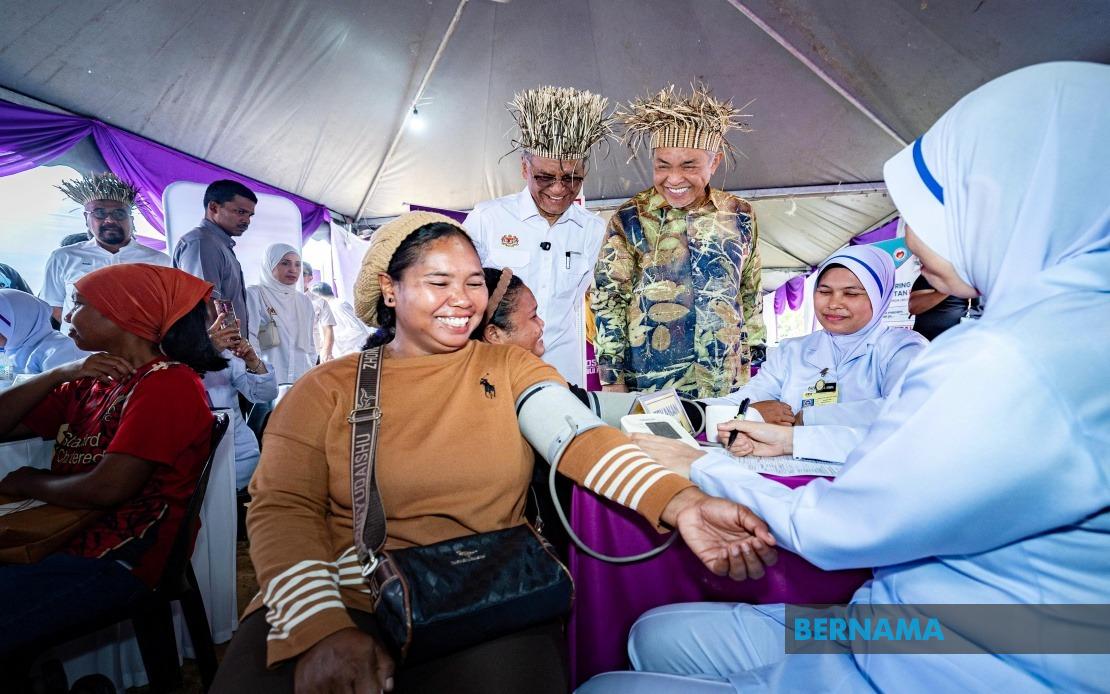
Speaking at a public event in Gerik following the launch of a health initiative for Orang Asli communities, Ahmad Zahid expressed confidence that forthcoming discussions would remain constructive and reach resolution without excessive complications. The BN chairman acknowledged that negotiations surrounding seat distribution have historically proven contentious across Malaysian politics, yet he advocated for professional dialogue to overcome such obstacles. His remarks reflected an attempt to project unity and pragmatism within the coalition as it prepares for electoral competition.
The institutional framework for these negotiations operates through multiple approval layers. Decisions negotiated by Ab Rauf must first be presented to UMNO's senior leadership, given that UMNO forms BN's dominant component. These recommendations then proceed to the Barisan Nasional Supreme Council, where coalition partners collectively determine the final strategy. This tiered approach provides checks and balances while ensuring broader consensus across BN's membership before any formal seat-sharing arrangements are publicly announced.
Pakatan Harapan has signalled receptiveness to BN's stated openness regarding seat negotiations, with PH communications director Datuk Seri Fahmi Fadzil characterizing the development as a worthwhile opportunity deserving serious examination. This cautious optimism from the federal opposition coalition suggests that tripartite negotiations could extend beyond traditional BN members. The possibility of cross-coalition accommodation reflects broader Malaysian electoral trends where state-level pragmatism sometimes overrides national political divides, particularly when local circumstances warrant tactical cooperation.
Perikatan Nasional, the third major political force in Malaysian politics, has likewise indicated willingness to enter discussions with BN regarding the Melaka contest. PN chairman Datuk Seri Dr Ahmad Samsuri Mokhtar's declaration of openness expands the potential range of permutations for seat distribution. Three major coalitions simultaneously expressing negotiating readiness creates both opportunities and complications, as each will lobby for advantageous arrangements while attempting to prevent unfavourable alignments between rivals.
The timing of these negotiations carries significance within Malaysia's evolving political dynamics. Melaka, historically a BN-dominated state, remains strategically important for both the ruling coalition and opposition forces. Electoral performance in state contests increasingly influences momentum toward the next general election, making each state-level outcome consequential for national political calculations. The Melaka contest therefore serves as a testing ground for coalition arrangements and voter preferences that may foreshadow broader patterns.
Seat-swapping arrangements—where coalitions exchange electoral contests to maximize combined seat returns—emerged as a specific consideration within Ahmad Zahid's comments. This mechanism allows coalitions to concentrate resources effectively and avoid internal competition that would benefit opposition parties. Recent Malaysian elections have demonstrated that sophisticated seat allocation can substantially boost coalition performance compared to scenarios involving fractured opposition or internal triangular contests.
The Chief Minister's expanded mandate represents a calculated leadership strategy by BN's hierarchy. By delegating negotiating authority to a trusted state-level figure, the coalition gains flexibility in exploring various partnership configurations while maintaining formal approval mechanisms. Ab Rauf's prominence within Melaka politics and his track record with stakeholder engagement position him well to broker arrangements that reflect local sensibilities and practical realities that national leaders might overlook.
For Malaysian voters and political observers, these pre-election manoeuvres reveal the instrumental nature of coalition politics in the country's federal system. Rather than elections serving as clear-cut contests between cohesive political blocs, outcomes increasingly depend on behind-the-scenes negotiations determining which parties contest which seats. This practice, while perhaps pragmatic from coalition perspectives, generates voter frustration regarding transparency and predictability in the political process.
The emphasis on conducting negotiations "honestly and in good faith" reflects awareness that previous seat-allocation disputes have generated internal tensions and public criticism. BN's repeated restatement of commitment to transparent processes suggests leadership recognition that coalition credibility depends partly on perceived fairness in how resources are distributed among partners. Such language serves both practical and symbolic functions in maintaining coalition cohesion.
Melaka's significance extends beyond immediate electoral mathematics. The state has experienced considerable political volatility in recent years, shifting between BN and PH control. Another contest presents opportunity for BN to consolidate control or for opposition forces to challenge incumbent dominance. The coalition arrangements now being negotiated will substantially determine which outcome becomes probable, making these discussions consequential for determining not merely seat counts but the direction of state governance over coming years.

