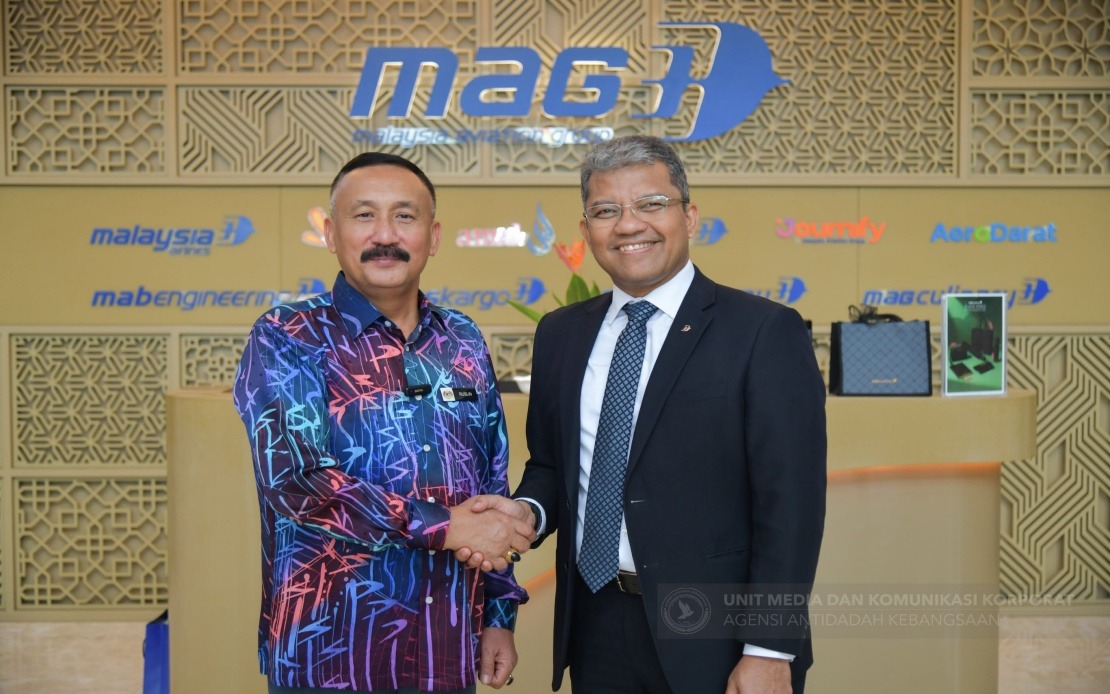
The National Anti-Drugs Agency (AADK) and Malaysia Aviation Group (MAG) have formally committed to a strategic partnership aimed at combating drug and substance abuse within Malaysia's aviation industry. The collaboration marks a significant step in addressing workplace safety concerns by establishing coordinated prevention and awareness efforts across the airline operator's facilities and workforce. The alliance reflects growing recognition that the aviation sector, given its critical role in national infrastructure and international connectivity, requires tailored drug prevention strategies distinct from general population-wide initiatives.
The formalization of this partnership came through the signing of a new memorandum of understanding, following a courtesy visit by AADK Director-General Datuk Ruslin Jusoh to MAG Chief Executive Officer Captain Nasaruddin A Bakar at the group's headquarters in Sepang. During their discussions, both entities explored multiple dimensions of strategic cooperation, with particular emphasis on deploying drug prevention mechanisms within Malaysia Airlines' operations and broader MAG infrastructure. The meeting brought together delegations from both organizations, including AADK Deputy Director-General (Operations) Zainudin Abdullah, underscoring the institutional weight afforded to these collaborative discussions.
Central to the agreement is the establishment of the Drug-Free Workplace (TEKAD) initiative across MAG premises and facilities. This programme represents a proactive safety mechanism designed to maintain the operational integrity and security protocols essential to aviation functions. Given the responsibilities borne by aviation personnel—from pilots and cabin crew to ground staff and maintenance technicians—any substance abuse risks carry potentially catastrophic implications for passenger safety and operational reliability. The TEKAD initiative therefore functions as both a public health intervention and a critical infrastructure protection measure, addressing workplace wellness while simultaneously safeguarding the aviation system itself.
Ruslin emphasized during the announcement that this collaboration transcends a simple bilateral agreement between two organizations. Rather, the partnership aspires to strengthen drug prevention infrastructure at the national level while simultaneously amplifying Malaysia Airlines' distinctive role as a major carrier within regional aviation networks. The framing of the cooperation within this broader context suggests an understanding that Malaysia's aviation sector cannot operate in isolation from national drug control policy; indeed, the sector's international operations and workforce mobility create unique vulnerabilities to substance trafficking and abuse that warrant specialized attention.
The focus on prevention, eradication, and public awareness reflects a multifaceted approach to addressing drug challenges. Prevention mechanisms target employees before substance abuse develops, recognizing that early intervention and workplace education prove far more cost-effective than remedial programmes. Eradication efforts encompass detection and enforcement, potentially including workplace screening protocols and disciplinary frameworks. Public awareness components extend beyond MAG's immediate workforce to influence broader cultural attitudes toward substance abuse within aviation circles, leveraging the industry's hierarchical structures and safety-conscious ethos to normalize anti-drug messaging.
For Malaysia's aviation sector specifically, the timing of this initiative carries particular significance. As regional air travel continues recovering post-pandemic, Malaysian carriers face intensified competition and increased operational pressures. Workforce reliability and safety culture become crucial competitive differentiators in an industry where even minor incidents can trigger international scrutiny and regulatory consequences. By proactively addressing potential drug-related risks, MAG positions itself as an industry leader committed to exceeding baseline safety standards—a distinction increasingly valued by international regulators, insurers, and passenger constituencies.
The collaboration also reflects evolving recognition within Malaysian law enforcement and public health circles that effective drug control requires sectoral specialization rather than one-size-fits-all approaches. The AADK's engagement with MAG represents a departure from purely enforcement-focused interventions toward partnership models that leverage institutional actors' specialized knowledge and operational authority. Airlines maintain sophisticated personnel management systems, regular health screening protocols, and safety cultures already predisposed toward risk mitigation—assets that drug prevention programmes can effectively mobilize when properly structured.
Implementation of the Drug-Free Workplace initiative will likely entail employee education campaigns, periodic workplace screening, counselling and rehabilitation referral pathways, and supervisory training in recognizing substance abuse indicators. These elements require careful calibration to balance safety imperatives with employee privacy and dignity considerations. Malaysian employment law and labour practices provide established frameworks for such programmes, though their aviation application demands sensitivity to the sector's unique operational demands and international regulatory contexts.
The partnership's implications extend beyond immediate stakeholder organizations to influence broader regional aviation governance. Other Southeast Asian carriers and aviation authorities may view the AADK-MAG collaboration as a model for sectoral drug prevention, potentially prompting similar initiatives across the region. This diffusion of best practices strengthens aviation safety architectures across Southeast Asian airspace and contributes to harmonizing safety standards amid increasing regional flight operations and crew mobility. Malaysian aviation's leadership in this space potentially enhances the country's reputation as a regulator committed to exceeding minimum international standards.
For employees within MAG and Malaysia Airlines specifically, the initiative promises enhanced workplace support systems and clearer pathways for accessing treatment and counselling services. Employees struggling with substance abuse challenges may benefit from early intervention and rehabilitation opportunities rather than facing immediate termination—an approach that balances legitimate safety concerns with humanitarian recognition of addiction's complexity. However, successful implementation requires sustained institutional commitment, adequate resource allocation, and continuous programme evaluation to ensure that announced initiatives translate into meaningful support structures accessible to workers across all job categories and employment arrangements.
Looking forward, the effectiveness of this partnership will be measured not merely by programme announcements but by demonstrable improvements in employee wellness outcomes, reduced substance-related incidents, and enhanced safety metrics across MAG operations. The AADK and MAG leadership's commitment must translate into institutional mechanisms, training investments, and cultural shifts that normalize seeking assistance rather than stigmatizing substance abuse challenges. Success in this domain could establish a replicable model for public-private collaboration in addressing workplace drug prevention across Malaysia's industrial and service sectors.

