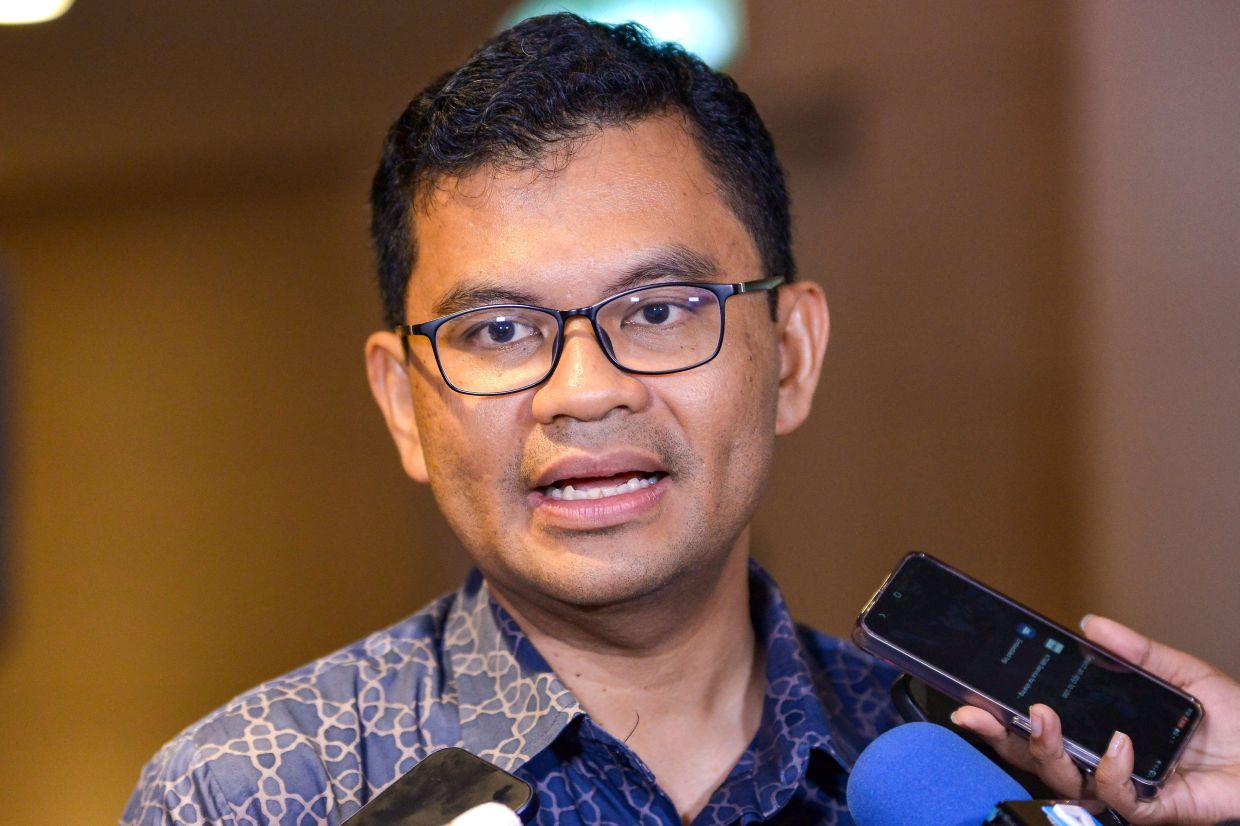
Malaysia's renewable energy sector is poised for significant expansion following the successful allocation of 42 Feed-in Tariff (FiT) projects expected to mobilise approximately RM4.3 billion in capital investments. Economy Minister Akmal Nasrullah Mohd Nasir announced the awards at the 7th International Sustainable Energy Summit (ISES 2026), marking a substantial step forward in the nation's transition towards cleaner energy generation and economic diversification.
The 42 awarded projects represent a carefully curated selection from a larger pool of applicants, demonstrating the growing appetite among Malaysian enterprises for renewable energy ventures. The portfolio spans three distinct renewable technologies: 16 biogas projects, 11 biomass initiatives and 15 small hydropower schemes. Combined, these installations will deliver 331.355 megawatts of approved generating capacity to the national grid, providing a meaningful contribution to Malaysia's renewable energy targets and helping to diversify the energy mix away from traditional fossil fuel dependence.
The capacity distribution reveals interesting strategic priorities within the renewable energy programme. Small hydropower projects command the largest share at 169.23 megawatts, followed by biomass at 135.94 megawatts and biogas at 26.185 megawatts. This allocation reflects Malaysia's geographical advantages and existing agricultural and waste management infrastructure, positioning the nation to leverage its natural resources and industrial byproducts for energy generation.
Beyond energy production, the FiT awards are engineered to catalyse broader economic multiplier effects throughout the supply chain. The projects are anticipated to generate approximately RM617 million in demand for locally manufactured gas engines and boilers, effectively stimulating Malaysia's industrial base and supporting domestic manufacturers competing in the renewable energy equipment sector. This domestic procurement focus strengthens the argument that renewable energy represents not merely an environmental imperative but an economic opportunity for Malaysian companies to develop expertise and production capabilities in fast-growing global markets.
Employment creation constitutes another tangible benefit flowing from these investments. Akmal Nasrullah highlighted that the 42 projects are forecast to generate roughly 7,738 indirect employment opportunities across engineering, construction, operations and maintenance roles. These positions span diverse skill levels, from specialised technical expertise to general labour, distributing employment benefits across multiple regions and skill demographics and potentially addressing labour market gaps in renewable energy sectors where Malaysia has historically lagged more developed regional economies.
The Sustainable Energy Development Authority (SEDA) Malaysia received 48 total applications encompassing a combined capacity of 370.480 megawatts before narrowing the selection to the 42 successful projects. This selection process incorporated multiple evaluation criteria reflecting the complexity of renewable energy development in Malaysia's diverse geography and regulatory environment. Site suitability assessments ensured projects matched local conditions and minimised environmental disruption, while tariff rate evaluations balanced investor returns against consumer affordability. Technical considerations examined the viability and sustainability of each proposal, and ecosystem availability evaluated whether surrounding infrastructure, supply chains and support services existed to enable successful project implementation and operational continuity.
The temporal implementation pathway provides important context for understanding the investment and employment timeline. Akmal Nasrullah indicated that the targeted grid integration window spans 2029 to 2030, suggesting a multi-year development cycle encompassing planning, financing, construction and commissioning phases. This extended timeline allows for sequential investment flows and workforce development, rather than creating boom-and-bust employment cycles. It also provides breathing room for supply chain partners to expand manufacturing capacity and training programmes to match anticipated demand.
For Malaysian stakeholders, the FiT mechanism represents a proven policy instrument that de-risks renewable energy investment through guaranteed long-term pricing certainty. By committing to fixed tariffs for electricity generated from qualifying projects, the government removes a critical barrier deterring private sector capital allocation to renewable infrastructure. This certainty enables project developers and their financing partners to model reliable cash flows, secure debt funding and justify equity investment returns, thereby reducing the cost of capital and accelerating project development timelines.
The broader strategic significance extends beyond these 42 projects. The awards demonstrate government commitment to renewable energy expansion and provide visible evidence that Malaysia can attract and absorb substantial private investment in clean energy infrastructure. This credibility enhances Malaysia's positioning in international climate finance discussions and supports the nation's stated renewable energy ambitions. Successful execution of these 42 projects will build operational expertise, supply chain maturity and investor confidence, potentially catalysing a virtuous cycle where successful projects demonstrate viability, attract additional investor interest and expand the ecosystem capacity to support larger future pipelines.
Regional context adds further dimension to Malaysia's renewable energy transition. As Southeast Asian neighbours pursue aggressive renewable energy targets and international climate commitments intensify, Malaysia's deliberate expansion of biogas, biomass and hydropower capacity positions the nation competitively within regional energy markets and demonstrates pragmatic commitment to sustainability goals. The local manufacturing stimulus and job creation components address labour market and industrial development concerns, linking environmental objectives to tangible economic benefits that resonate across political and socioeconomic constituencies.
The convergence of investment magnitude, employment opportunity, local manufacturing stimulation and energy diversification benefits in a single policy initiative illustrates how the FiT mechanism serves as a multi-objective economic instrument. Rather than pursuing renewable energy exclusively through subsidies or mandates, the tariff-based approach leverages market mechanisms to attract private capital while maintaining government fiscal discipline. For Malaysian policymakers and investors monitoring energy transition costs, the FiT framework offers an instructive model balancing decarbonisation imperatives against economic feasibility and employment considerations.

