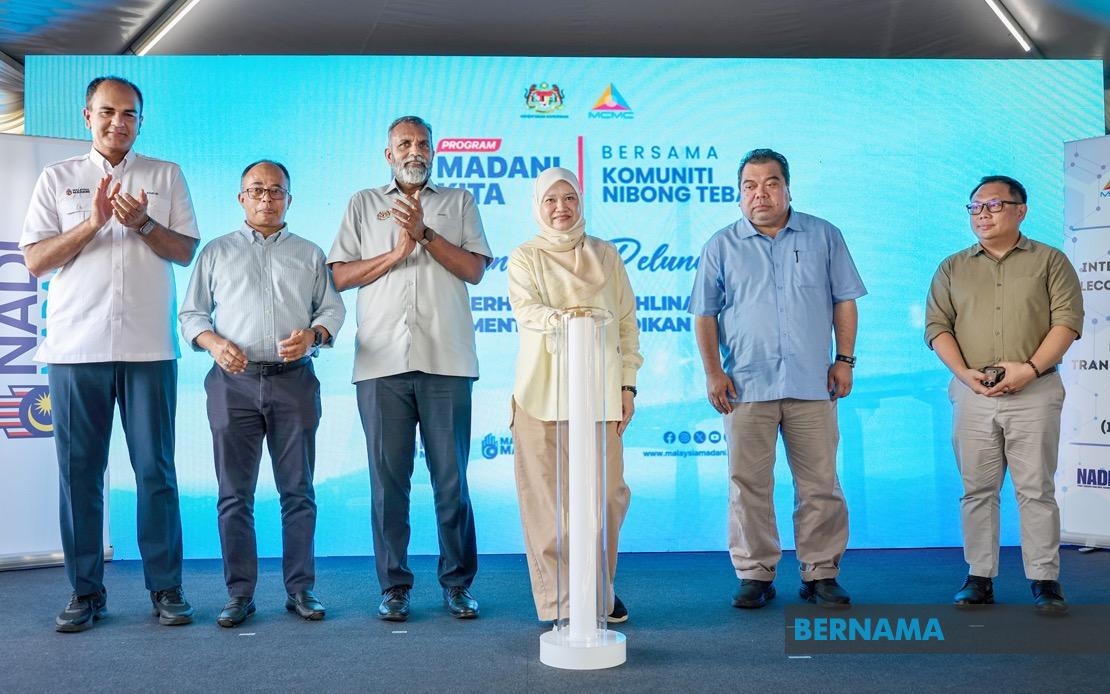
The Malaysian government is intensifying its outreach efforts through a nationwide series of MADANI Kita programmes designed to make public services more accessible and foster meaningful dialogue between citizens and government agencies. The Communications Ministry has now conducted 41 such programmes across the country, representing a significant expansion of its direct engagement strategy with communities seeking better understanding of government initiatives and services.
According to Mano Verabathran, deputy secretary-general of the Communications Ministry (Telecommunications Infrastructure), these programmes operate as collaborative platforms where multiple government ministries and agencies converge to interact directly with the public. The initiative brings together the Community Communications Department (J-KOM), the Malaysian Information Department (JaPen), and the Malaysian Communications and Multimedia Commission (MCMC), all working through the National Information Dissemination Centre (NADI). This multi-agency coordination reflects a deliberate effort to present government services as an integrated ecosystem rather than fragmented departmental offerings.
The underlying philosophy of MADANI Kita extends beyond the conventional top-down distribution of policy information. The programmes create space for citizens to engage in substantive conversations about government policies, seek clarifications on matters affecting their lives, and provide feedback on public services. This two-way communication model acknowledges a shift in public expectations—Malaysians no longer simply want to be informed about what government is doing; they expect visible proof of tangible benefits reaching their communities.
Activity offerings within these programmes deliberately target multiple demographic groups and interests. The inclusion of technology-focused workshops, educational seminars, and skills development sessions signals an attempt to bridge the digital divide that persists across Malaysia's diverse regions. For younger participants, the programmes incorporate e-sports competitions and entertainment alongside substantive programming, recognising that engagement among youth requires formats that reflect their entertainment preferences whilst still delivering meaningful content about governance and civic participation.
The Nibong Tebal launch, officiated by Education Minister and Nibong Tebal Member of Parliament Fadhlina Sidek, underscores the political dimension of these initiatives. Government officials view MADANI Kita as a mechanism for demonstrating commitment to accessibility and transparency at the grassroots level. By rotating these programmes across different constituencies, the government creates opportunities for local representatives to showcase their engagement with community needs whilst simultaneously legitimating government policies through face-to-face interaction.
The scale of public participation indicates genuine community interest in such programmes. The MADANI Kita Permatang Pauh programme attracted more than 17,000 visitors when held alongside the Penang International Halal Expo 2026 from July 24 to 26. This substantial turnout suggests that embedding government engagement activities within existing major public events creates natural synergies and expands reach beyond those specifically seeking government services. The convergence of commerce, culture, and governance creates fertile ground for incidental civic engagement.
For Southeast Asian context, Malaysia's MADANI Kita approach represents a middle path between traditional government communication and modern digital engagement. Rather than relying solely on social media or online platforms, the government maintains investment in physical, community-based interactions. This hybrid strategy acknowledges that digital accessibility remains unevenly distributed across the nation, particularly in rural areas and among older demographic groups who form a significant portion of Malaysia's population.
The emphasis on skills development and youth engagement through these programmes addresses broader economic concerns about workforce readiness and digital literacy. By offering training opportunities and exposure to technology-driven activities, MADANI Kita positions government agencies as stakeholders in economic mobility rather than merely administrative providers. This expanded role definition could shift how Malaysians perceive their relationship with public institutions.
However, the success of such initiatives ultimately depends on follow-through beyond the event itself. Citizens attending MADANI Kita programmes will measure government credibility not merely by the quality of interactions at the events but by subsequent responsiveness to feedback and visible implementation of suggested improvements. The programmes serve as commitment devices—public forums where government makes implicit promises about listening and responsiveness. Delivering on these promises across 41 separate locations with diverse populations and concerns presents a genuine operational challenge for coordinating agencies.
The MADANI Kita framework also reflects Malaysia's broader governance narrative around inclusivity and accessibility. By deliberately bringing services to communities rather than requiring citizens to navigate dispersed government offices, the programmes reduce bureaucratic friction and acknowledge that convenience of access directly influences public uptake of government services. This recognition of systemic barriers to engagement represents evolving governance thinking within Malaysia's administration.

