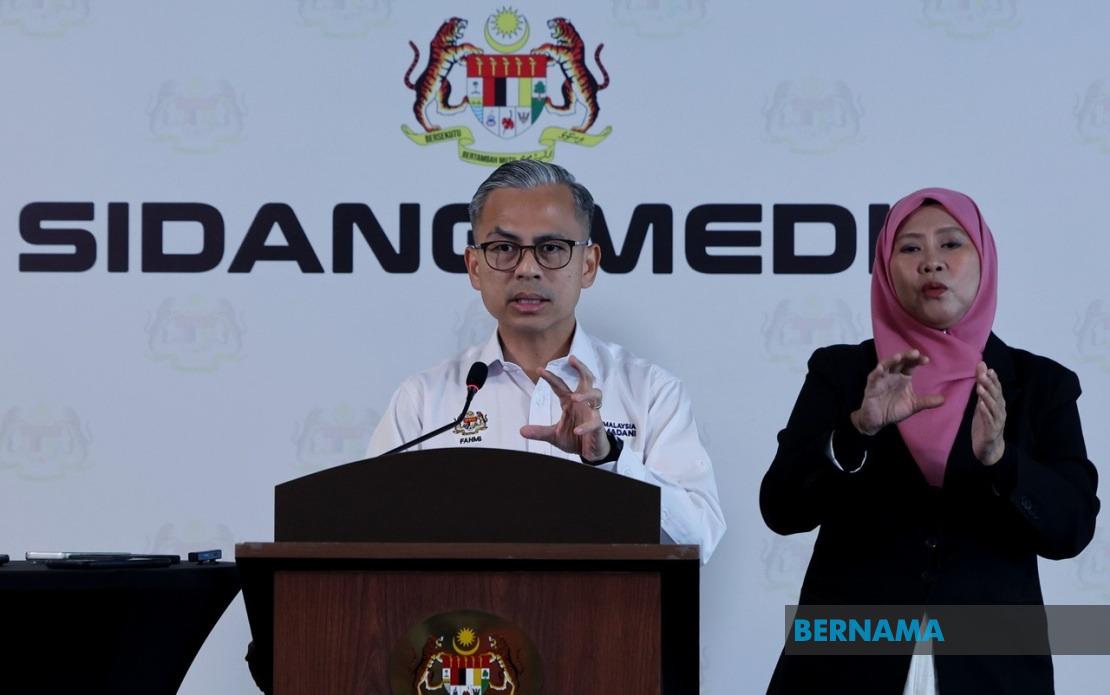
Parliament will convene for an extraordinary session on August 11 to examine the findings of the Royal Commission of Inquiry into Lembaga Tabung Haji, with Communications Minister Datuk Seri Fahmi Fadzil confirming that 35 to 40 MPs have signalled their intention to participate in the debate. The government has allocated an extended sitting that will run continuously from 10 am through the afternoon without scheduled breaks, underscoring the significance placed on parliamentary scrutiny of the pilgrim fund's operational record. Dewan Rakyat Speaker Tan Sri Johari Abdul has approved the uninterrupted schedule to permit comprehensive discussion of the commission's conclusions, a decision reflecting the gravity of issues uncovered during the inquiry.
The special parliamentary sitting represents a formal legislative response to a damning investigation that documented systemic failures within Malaysia's premier Hajj savings institution. Released on July 29 through the Department of Islamic Development Malaysia portal, the RCI report examined Tabung Haji's management and investment practices during the 2014 to 2020 period, a six-year window that witnessed dramatic erosion of the organisation's asset base. The commission's examination revealed not merely poor decision-making but concerning patterns of questionable transactions and deliberate information suppression that merit serious parliamentary attention and potential remedial action.
The forthcoming debate carries particular weight for Malaysian Muslims, given that Tabung Haji administers savings accumulated by millions of pilgrims preparing for their Hajj journey. When an institution entrusted with such responsibility exhibits the governance failures documented by the RCI, public confidence becomes a casualty alongside financial losses. The decision to broadcast proceedings live through official parliamentary media channels reflects the government's commitment to transparency, permitting citizens to observe how their elected representatives address concerns affecting their savings and religious obligations.
Among the commission's most significant recommendations is a forensic audit of historical investment decisions that triggered the organisation's financial deterioration. This proposal acknowledges that understanding precisely how capital was deployed, authorised, and subsequently lost requires specialised investigative expertise beyond conventional auditing. The forensic approach signals recognition that potential misconduct or malfeasance may underlie what might otherwise be attributed to simple misjudgement. Such an audit could identify whether fiduciary duties were breached, whether decision-making processes were compromised, or whether individuals acted beyond their authority in directing substantial sums.
The RCI's identification of suspicious transactions points toward potential criminal conduct requiring investigation by relevant law enforcement agencies. Similarly, evidence of information concealment suggests that accountability mechanisms failed—either through negligence in oversight or deliberate obstruction. These findings transcend routine administrative shortcomings and touch upon matters of institutional integrity and possible breaches of trust law. Parliament's examination of these conclusions will determine whether criminal referrals, administrative action, or legislative reform represent appropriate responses.
The substantial parliamentary interest indicated by 35 to 40 MPs reflects cross-party concern about governance lapses at a key Islamic financial institution. This broad legislative engagement demonstrates that Tabung Haji's troubles resonate across party lines, likely because many MPs represent constituencies with significant numbers of Tabung Haji contributors. The opportunity to question officials, seek clarity on specific findings, and propose remedial measures represents a crucial democratic function, particularly where public institutions managing citizens' money have failed.
Regional observers will scrutinise how Malaysia addresses these governance failures, as the episode carries implications for Islamic finance credibility throughout Southeast Asia. Tabung Haji operates within an ecosystem of Shariah-compliant financial products and institutions, and questions about its stewardship influence investor and depositor confidence in comparable regional institutions. The parliamentary debate and any subsequent reforms will signal whether Malaysia's oversight frameworks adequately protect Islamic financial institutions from mismanagement and whether its political system can hold major institutions accountable.
The continuous session format adopted for August 11 permits extended examination without artificial time constraints that might truncate important lines of questioning. This approach acknowledges that understanding complex investment failures and institutional dysfunction requires adequate discussion time. MPs can probe the specific investments that underperformed, examine decision-making hierarchies and approval processes, and explore whether existing regulatory frameworks require strengthening. The unbroken sitting also demonstrates parliamentary seriousness about the matter, setting this debate apart from routine legislative business.
Moving forward, the parliamentary session serves as prelude to concrete remedial action. Beyond debate, multiple agencies will likely become involved—the Malaysia Anti-Corruption Commission may investigate potential misconduct, Bank Negara may review regulatory oversight, and Tabung Haji's governance structure will face scrutiny and probable reform. The RCI report essentially handed Parliament and the executive branch a road map for restoration and accountability, with the August 11 session marking the formal commencement of this restorative process. The depth and quality of parliamentary engagement will significantly influence whether subsequent actions address root causes or merely treat symptoms.

