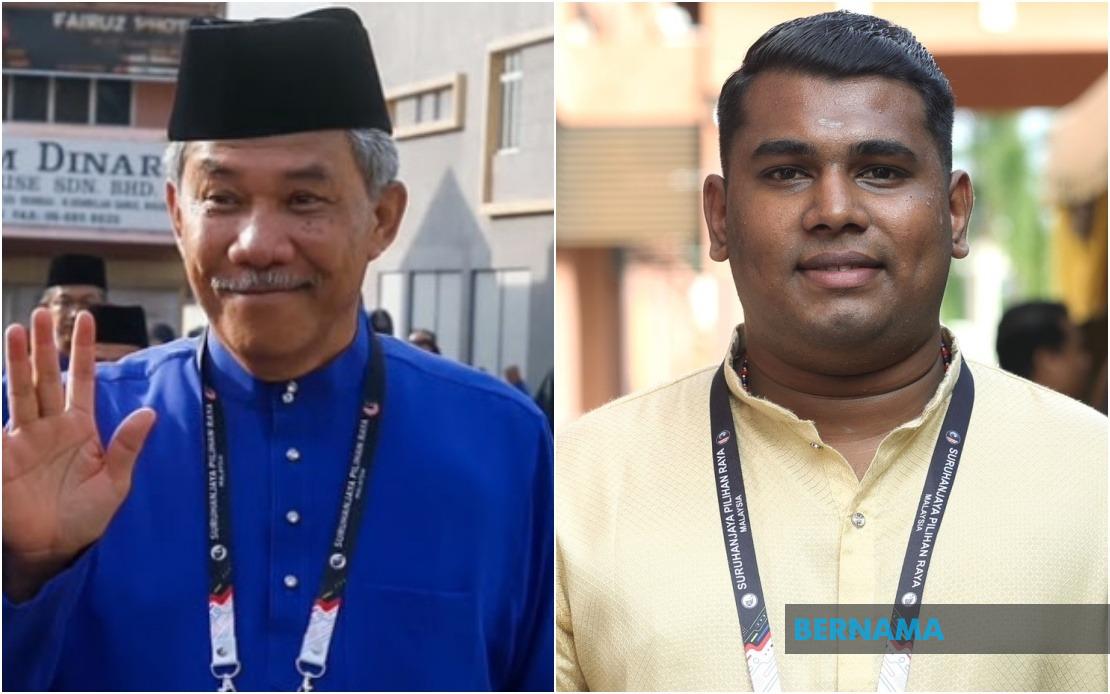
The 16th Negeri Sembilan state election has introduced M. Leevineshwaraan, a 23-year-old Bersatu representative, as the youngest candidate seeking a state seat in the upcoming polling. The teenager will navigate a competitive five-candidate contest for the Sri Tanjung seat, seeking to convince voters of his readiness for legislative office at an age when many peers are still completing tertiary education.
Leevineshwaraan faces substantial headwinds in his maiden electoral bid. Incumbent Datuk Dr G. Rajasekaran of Pakatan Harapan defended the seat in the 2023 state election with a comfortable 3,996-vote majority, establishing himself as the favored candidate and suggesting that dislodging him will require exceptional campaign mobilization. The incumbent's proven ability to capture and retain voter confidence presents the principal obstacle to Leevineshwaraan's ambitions. Within the broader Port Dickson parliamentary constituency, the Sri Tanjung state seat commands attention from 19,590 registered electors, a substantial electorate requiring extensive grassroots engagement.
The emergence of youthful candidates in Malaysia's electoral landscape reflects broader generational shifts within political parties. During the 2023 state election cycle, Muhammad Syakir Fitri Sadri held the distinction of youngest candidate at 25 years old, standing as an Independent for the Paroi state seat. Leevineshwaraan's selection by Bersatu at age 23 demonstrates accelerating efforts by political organizations to recruit and field younger aspirants, potentially signaling confidence in youthful candidates' capacity to energize voter bases and represent emerging demographic priorities.
At the opposite end of the candidacy spectrum, two septuagenarians have emerged as the election's senior contenders. Barisan Nasional deputy chairman Datuk Seri Mohamad Hasan and Pakatan Harapan's Abd Latif A Tambi, both aged 70, represent the longest-serving political veterans among this cycle's candidates. Mohamad defends the Rantau state seat within the Rembau parliamentary constituency against a two-candidate race, while Abd Latif contests Gemencheh, located within the Tampin parliamentary constituency. Their simultaneous presence underscores how Malaysian elections continue to showcase wide generational diversity, with politicians spanning five decades of age experience.
The 2023 election featured an older-aged candidate when 72-year-old Bujang Abu stood as an Independent. However, Bujang will not contest this cycle after failing to furnish documentation mandated by the Election Commission, illustrating how regulatory compliance requirements can prevent veteran candidates from returning to electoral contests. This development demonstrates that age alone does not guarantee continued participation—administrative procedures remain gatekeeping mechanisms affecting candidacy across all age groups.
Electoral geography shapes the strategic importance of these contests. The Rantau seat encompasses 34,831 eligible voters distributed throughout the Rembau parliamentary division, while Gemencheh accounts for 24,916 registered electors within Tampin. These voter populations represent substantial constituencies demanding tailored campaigning approaches. Sri Tanjung's 19,590 eligible voters position it as a mid-sized electorate requiring consistent organizational effort to secure victory margins.
Women's participation in this election cycle shows incremental advancement, though gender representation remains substantially below parity. Nine women among the 103 total candidates represents a marginal increase from eight women among the previous 83-candidate slate in 2023. Pakatan Harapan fielded the highest number of female candidates at four representatives, reflecting coalition-level commitments to gender diversity, though coalition-wide figures remain incomplete in available reporting. This trajectory indicates gradual rather than transformative progress toward balanced gender participation in Negeri Sembilan electoral contests.
The electoral schedule concentrates voting activity into compressed timeframes. The Election Commission designated July 28 for early voting, permitting advance participation among eligible voters unable to cast ballots on the principal polling date. The main election occurs on August 1, providing a consolidated campaign window of approximately two weeks from announcement to primary voting. This compressed schedule intensifies candidate activity and media coverage, requiring campaigns to achieve maximum visibility and voter persuasion within limited timeframes.
Negeri Sembilan's state election carries broader significance for Malaysia's evolving political configuration. As Bersatu seeks to establish electoral presence at state level beyond federal representation, candidacies like Leevineshwaraan's represent organizational attempts to build grassroots structures and prove electoral viability. The state's positioning within Malaysia's peninsular politics, combined with its moderate electorate size, renders Negeri Sembilan important for assessing how political coalitions perform outside major urban concentrations and how generational succession operates within party systems.
The juxtaposition of a 23-year-old novice candidate against established septuagenarian politicians encapsulates contemporary Malaysian electoral dynamics. Leevineshwaraan's candidacy signals whether Malaysian voters—particularly younger demographics—will embrace less experienced candidates prioritizing demographic change, or whether they continue rewarding established politicians whose tenure and institutional knowledge provide reassurance. As both youth engagement and experienced leadership command attention within electoral discourse, the results across Negeri Sembilan's contests may illuminate voter preferences regarding generational transitions within representative politics.

