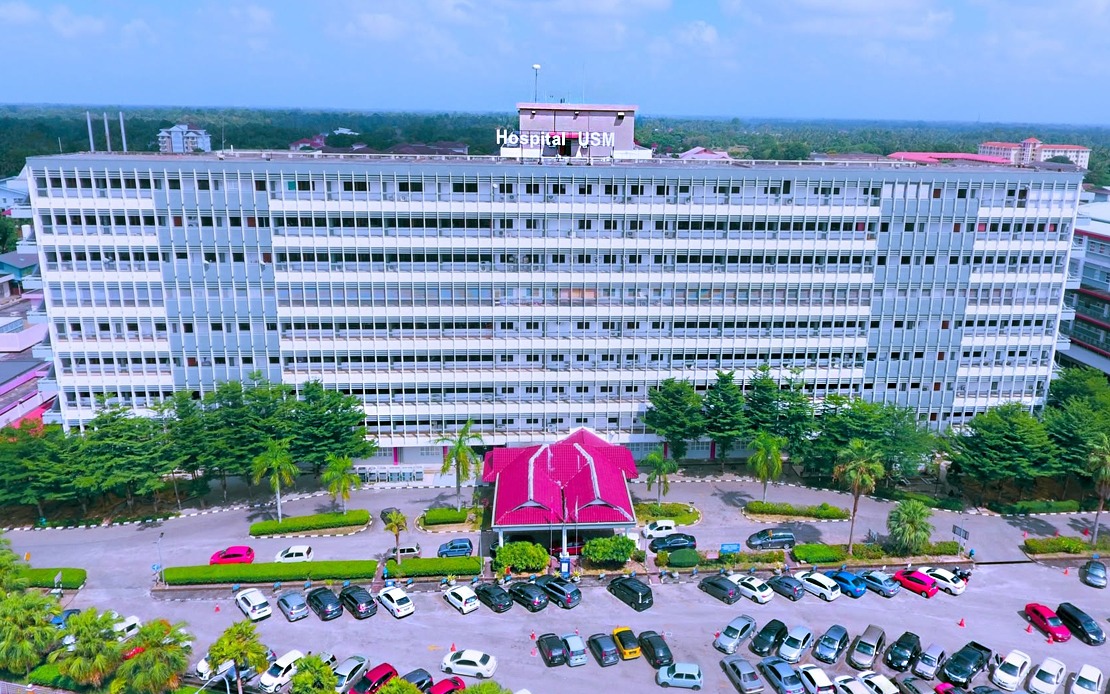
Twenty-three students between seven and nineteen years old will proceed with strabismus surgery at Universiti Sains Malaysia Specialist Hospital (HPUSM) this week, marking a breakthrough in addressing one of Kelantan's most persistent healthcare backlogs. The surgeries, conducted over five days through the second Strabismus Surgery Carnival, represent a significant milestone in reducing waiting periods that have historically extended from several months to multiple years for affected children across the state.
Director Datuk Dr Ab Rahman Izani Ghani @ Ab Ghani outlined the programme's scope and impact during the carnival's opening. The initiative brings together a concentrated team of ophthalmology specialists, general ophthalmologists, and postgraduate trainees to conduct comprehensive assessments and surgical interventions. This collaborative model enables the hospital to process multiple cases simultaneously, effectively compressing timelines that would normally stretch across an entire calendar year or longer.
The students undergoing surgery this week were identified through HPUSM's Short-sightedness and Strabismus Eye Intervention Programme, a systematic screening effort that has visited schools throughout Kelantan over the past three years. This proactive approach has uncovered approximately 300 students with various eye conditions, with strabismus—commonly known as crossed eyes or eye misalignment—being a primary concern. By identifying cases early through school-based screening rather than waiting for parents to seek treatment independently, the hospital has created a pipeline that ensures children receive timely intervention.
Strabismus extends far beyond cosmetic concerns, according to Prof Dr Shatriah Ismail, a paediatric ophthalmology consultant at USM's School of Medical Sciences. The condition directly impacts visual function, preventing both eyes from working together harmoniously, and undermines the eye coordination essential for reading, sports, and spatial awareness. For developing children, these functional deficits compound during critical periods of visual and cognitive development, potentially creating learning disadvantages that persist into adulthood.
The psychological ramifications of untreated strabismus warrant equal attention. Children with visible eye misalignment frequently experience diminished self-confidence and social anxiety, affecting their willingness to participate in classroom activities and peer interactions. Prof Dr Shatriah emphasised that these emotional and developmental consequences directly influence a child's capacity to engage fully with daily life, from academic performance to social integration. Early surgical correction removes these barriers, allowing children to progress through their formative years without the compounded burden of visual dysfunction and social stigma.
Financial barriers have historically prevented many families in Kelantan from accessing strabismus surgery, a procedure requiring specialist expertise and operating theatre resources. The carnival model addresses this constraint through partnership funding. The Kelantan Islamic Religious and Malay Customs Council (MAIK) has committed financial support, alongside contributions from multiple non-governmental organisations. This collaborative funding approach essentially eliminates cost as a barrier for participating students, ensuring that economic circumstances do not determine access to sight-preserving intervention.
The school-based identification component of this programme offers particular value for rural and semi-urban communities in Kelantan, where awareness about strabismus treatment options remains limited. Parents may not recognise eye misalignment as a medical condition requiring intervention, or may assume it represents a minor cosmetic issue that will resolve independently. By conducting screening within school environments, HPUSM reaches children who might otherwise progress through their entire educational journey without receiving necessary treatment. This preventive public health approach transforms passive waiting into active case-finding.
The concentration of specialist resources during carnival weeks also addresses workforce limitations that constrain routine surgical schedules. Rather than processing cases individually across months, the dedicated five-day period allows multiple surgical teams to operate simultaneously, each managing several procedures daily. This temporary surge in capacity demonstrates what sustained investment in strabismus services could achieve if resourced as a priority, offering valuable evidence for health policy discussions around specialist eye care capacity planning in Malaysian public hospitals.
For families in Kelantan, the implications extend beyond the immediate 23 students receiving surgery this week. Success with this cohort creates momentum for subsequent intervention programmes, establishes protocols that could be replicated in other states facing similar backlogs, and demonstrates the feasibility of addressing what has become a normalised waiting period for paediatric eye care. Each child whose vision improves and whose psychological wellbeing is enhanced through timely surgery represents not merely a clinical success, but evidence that systemic barriers to healthcare access can be overcome through coordinated effort.

