Two hundred motorcyclists in the Renggam area of Kluang received RM5 fuel vouchers on June 25 as part of a government initiative designed to ease the daily expenses faced by lower-income commuters. The distribution formed the centrepiece of a broader community engagement programme organised by the National Security Council (MKN), signalling renewed effort by federal authorities to connect with citizens at the grassroots level through tangible assistance and dialogue.
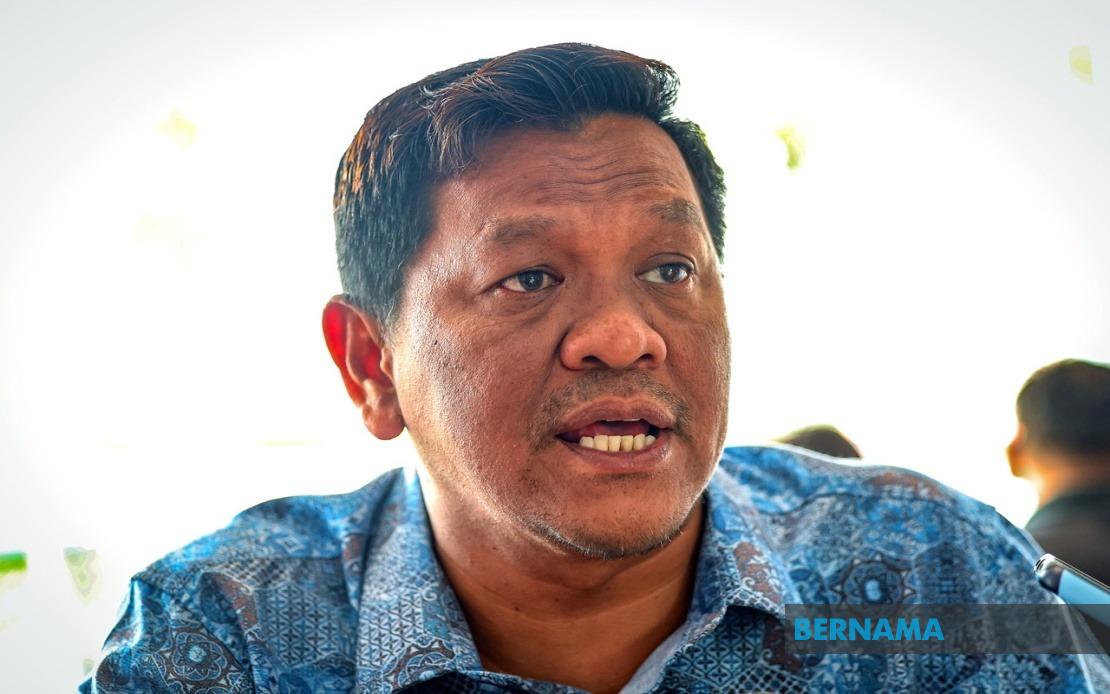
Abdullah Izhar Mohamed Yusof, political secretary to the Communications Minister, characterised the voucher scheme as a demonstration of government commitment to the welfare of ordinary Malaysians whilst promoting national cohesion. Speaking during the Jiwa@Komuniti MADANI Sembang Santai World Cup Edition event in Kluang, Abdullah Izhar emphasised that such initiatives would become a regular feature of the government's engagement calendar, reflecting a deliberate shift towards more frequent community interaction at the neighbourhood level.
The Kluang programme extended well beyond simple cash distribution. Officials from the MKN, Information Department (JaPen) and Department of Community Communications (J-KOM) conducted briefing sessions on pressing national issues whilst facilitating structured dialogue with residents. This multi-layered approach reflects growing recognition within Malaysian government circles that effective policy communication requires two-way conversation rather than top-down announcements alone. By combining material assistance with information sessions, organisers attempted to address both immediate financial need and the broader challenge of public understanding regarding government programmes.
According to Abdullah Izhar, a central rationale behind such grassroots programmes involves providing communities with reliable information about government policies whilst creating legitimate channels for citizens to articulate concerns and suggestions about local matters. This framing positions the initiative as fundamentally about bridging an information gap between state institutions and ordinary people, rather than treating it primarily as welfare assistance. In the context of Malaysia's evolving political landscape, where public confidence in government communication has sometimes wavered, such direct engagement carries particular weight.
The voucher recipient M. Raja, aged 56 and father of five from Taman Sri Jaya, responded with evident appreciation whilst candidly expressing hope that such support might eventually become monthly rather than once-off. His measured gratitude—acknowledging the immediate help whilst gently suggesting room for programme expansion—reflects the pragmatic perspective of working Malaysians who welcome government assistance but remain conscious of ongoing financial pressures. The RM5 voucher, whilst modest in absolute terms, carries symbolic importance as tangible recognition of government concern for motorcycle-dependent commuters.
Another beneficiary, Hee Eeck Kwe aged 66 from Kampung Baru, underscored appreciation that rural and suburban communities remained included within government assistance schemes. This observation carries significance given perennial concerns within Malaysia's development discourse regarding perceived urban-rural divides in resource allocation and government attention. The explicit inclusion of Renggam, a smaller Johor town, in this initiative signals official acknowledgment of such concerns and an attempt to demonstrate equitable distribution of benefits across different demographic regions.
The broader strategic value of these community engagement programmes lies in their dual functionality. On one level, they deliver immediate material relief to cost-burdened citizens during a period when fuel and transportation costs remain salient household budget items. On another level, they serve communication objectives by creating positive interaction points between government representatives and local populations. In Malaysian political culture, such grassroots events generate goodwill that extends beyond the immediate beneficiaries to wider community perception of government responsiveness.
Abdullah Izhar's commitment to nationwide expansion of such outreach efforts suggests institutional recognition that centralised policy announcements, even when well-intentioned, often fail to reach rural and suburban populations effectively. By decentralising engagement activities to specific localities and combining them with material assistance, the government attempts to penetrate communication barriers that typically constrain policy messaging. This approach proves particularly relevant in Malaysian context given diverse linguistic, cultural and information-access patterns across the country's various communities.
For motorcyclists specifically, the programme holds particular relevance given their significant representation among Malaysia's working-class and lower-middle-income populations. Two-wheelers constitute the primary transport mode for millions of Malaysians commuting to employment, educational institutions and essential services. Fuel cost volatility directly impacts household budgets for this demographic, making fuel vouchers a targeted intervention addressing genuine financial vulnerability. The selection of this group thus reflects sophisticated understanding of who bears greatest exposure to transportation cost fluctuations.
The programme also reflects emerging trends within Malaysian governance towards experiential and localised public engagement rather than exclusively mediated communication through traditional news channels or digital platforms. Direct events allowing citizens to interact with government officials, ask questions and voice concerns represent attempts to rebuild trust through proximity and accessibility. Whether such initiatives prove sustainable at scale, and whether they ultimately influence public perception of government effectiveness and concern, remains open to observation as the programme rolls out across different localities.
Looking forward, the successful execution of this initiative in Kluang and its stated intention for nationwide replication could establish precedent for regular government-community interaction mechanisms. If implemented consistently, such programmes might contribute meaningfully to narrowing the perception gap between government intentions and public understanding thereof. However, success ultimately depends on whether assistance remains reliable and whether government genuinely incorporates public feedback into policy formulation—otherwise such events risk becoming performative rather than substantively transformative in government-citizen relations.

