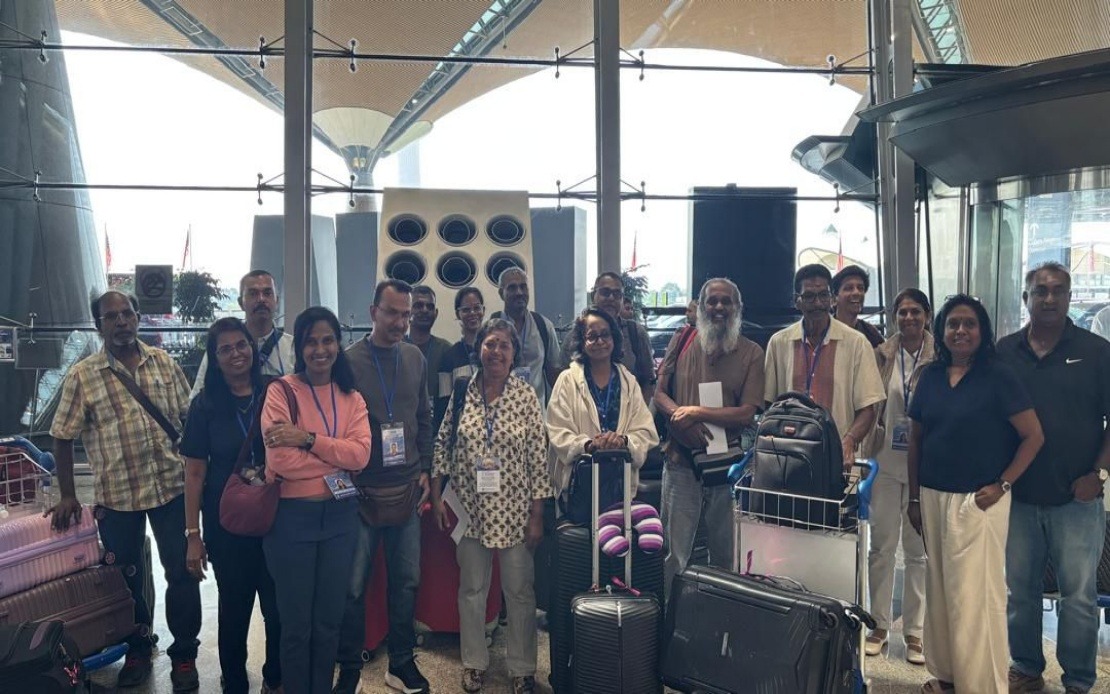
Seventeen Malaysians undertaking a sacred pilgrimage to Mount Kailash in Tibet have vanished from contact following catastrophic flash floods that struck the Nepal-Tibet border region, sparking urgent government intervention and deep anxiety among their families back home. The group, organised by Nepal-based tour operator Fishtail Tours & Travels, lost all communication after 8.18 am Nepal time on August 26, when they were positioned approximately two kilometres from the Nepal-Tibet Immigration Checkpoint. Since that moment, efforts to reestablish contact with the pilgrims have yielded nothing but silence, leaving families in Malaysia desperate for information about their loved ones' safety and whereabouts.
The toll of uncertainty extends beyond the single group. Malaysia's Ministry of Foreign Affairs reported that 55 Malaysians had registered with the Malaysian Embassy in Kathmandu and remained uncontactable in the aftermath of the disaster. However, the ministry stressed that no official confirmation of Malaysian casualties had been received as of reporting time. This distinction between those uncontactable and those confirmed harmed underscores the fog surrounding the disaster's immediate aftermath, when communication infrastructure lay shattered and access to affected areas remained severely restricted. The Malaysian Embassy in Kathmandu has intensified coordination with Nepalese authorities, search and rescue personnel, travel agencies, and other stakeholders to establish the condition and location of the affected Malaysians.
R. Logadashini's account personalises the broader crisis. Four members of her immediate family were part of the missing group: her father S. Raman, 59; mother M. Neelavany, 54; uncle S. Murukan, 60; and aunt G. Padmahwathi, 58. The family's last confirmed communication came through a WhatsApp message at approximately 8.40 am Malaysian time on August 26. Prior to departure from Malaysia, the itinerary called for their stay in Nepal from August 23 onwards, with the pilgrimage scheduled to conclude on September 5. The tour group's strategic positioning near the immigration checkpoint suggests they were in the process of transitioning from Nepalese to Tibetan territory when the catastrophe struck.
The geographic and climatic conditions that produced this disaster were particularly severe. Flash floods erupted in Nepal's Rasuwa and Nuwakot districts following intense rainfall combined with a glacial collapse—a phenomenon increasingly common in high-altitude Himalayan regions facing accelerating climate change. These natural forces devastated the critical transportation corridors connecting the affected zone to Kathmandu, the capital. The resulting infrastructure damage severely hampered rescue operations and restricted access for emergency responders attempting to reach stranded individuals. This border region constitutes a major transit artery for religious pilgrims bound for Mount Kailash and adventure trekkers heading towards Mount Everest, meaning multiple groups and nationalities faced potential jeopardy.
Prime Minister Datuk Seri Anwar Ibrahim mobilised Malaysia's governmental machinery in response to the crisis. He issued directives instructing relevant agencies to undertake immediate location and contact efforts aimed at the affected Malaysians. The Malaysian diplomatic presence, particularly missions in Kathmandu and New Delhi, received activation orders to furnish assistance and coordinate with local authorities. This coordinated governmental response reflects the severity with which Malaysian leadership views the situation and the expectation that official channels and diplomatic leverage will prove instrumental in resolving the predicament and locating the missing pilgrims.
Not all Malaysian pilgrimage groups faced similar misfortune. A separate expedition comprising 56 individuals—39 Malaysians, four Singaporeans, and three Canadians—and led by renowned Malaysian mountaineer Datuk N. Mohanadas has been confirmed safe in Tibet and continues its pilgrimage without interruption. Mohanadas reported that his contingent remained unaffected by the severe weather, flooding, and casualties documented at the Nepal-Tibet border. The group had commenced the first of three days dedicated to circumambulating Mount Kailash, the sacred practice central to their pilgrimage. This confirmation provides a counterpoint to the alarming situation involving the missing group, demonstrating that not all Malaysian pilgrims in the region faced identical exposure to the disaster.
The missing pilgrims' route selection carries particular significance for regional tourism and religious practice. The Nepal-Tibet corridor represents a historically established pathway for Hindus, Buddhists, and practitioners of other faiths seeking to reach Mount Kailash, one of the world's most spiritually significant mountains revered across multiple religious traditions. The accessibility and perceived safety of this route have made it increasingly popular among Malaysian pilgrims in recent years. The August 2024 disaster serves as a stark reminder of the inherent hazards associated with high-altitude pilgrimage in zones subject to extreme weather patterns and geological instability, raising questions about preparedness and risk management for future groups.
The communication blackout poses unique challenges for Malaysian authorities and families alike. In our hyperconnected age, the complete severance of contact suggests not merely that the pilgrims lack access to mobile networks or internet connectivity—though this remains likely given the rural, border location—but potentially that they have been displaced, displaced to locations without basic infrastructure. The silence extends beyond simple inconvenience; it prevents families from knowing whether their relatives require medical assistance, remain stranded in dangerous terrain, or face other acute hazards. Every hour that passes without contact compounds anxiety and reduces the window for effective search and rescue operations in challenging mountain environments where weather and daylight availability constrain rescue capabilities.
This incident carries implications extending beyond the immediate families affected. Malaysia's relationship with Nepal's tourism sector, already substantial given the steady flow of Malaysian adventure seekers and pilgrims, may face recalibration. Tour operators marketing these routes will face heightened scrutiny regarding safety protocols, emergency communication systems, weather monitoring capabilities, and contingency planning. Insurance companies and regulatory authorities may impose stricter requirements on tour groups operating in high-risk zones. Malaysian pilgrims themselves may reassess their willingness to undertake such journeys, potentially affecting Nepal's tourism revenues from this important demographic. The diplomatic dimensions also merit consideration, as effective Malaysian-Nepalese cooperation in rescue efforts and information-sharing will influence bilateral relationships and Malaysia's confidence in lodging Nepalese travel infrastructure as sufficiently safe for its citizens.

