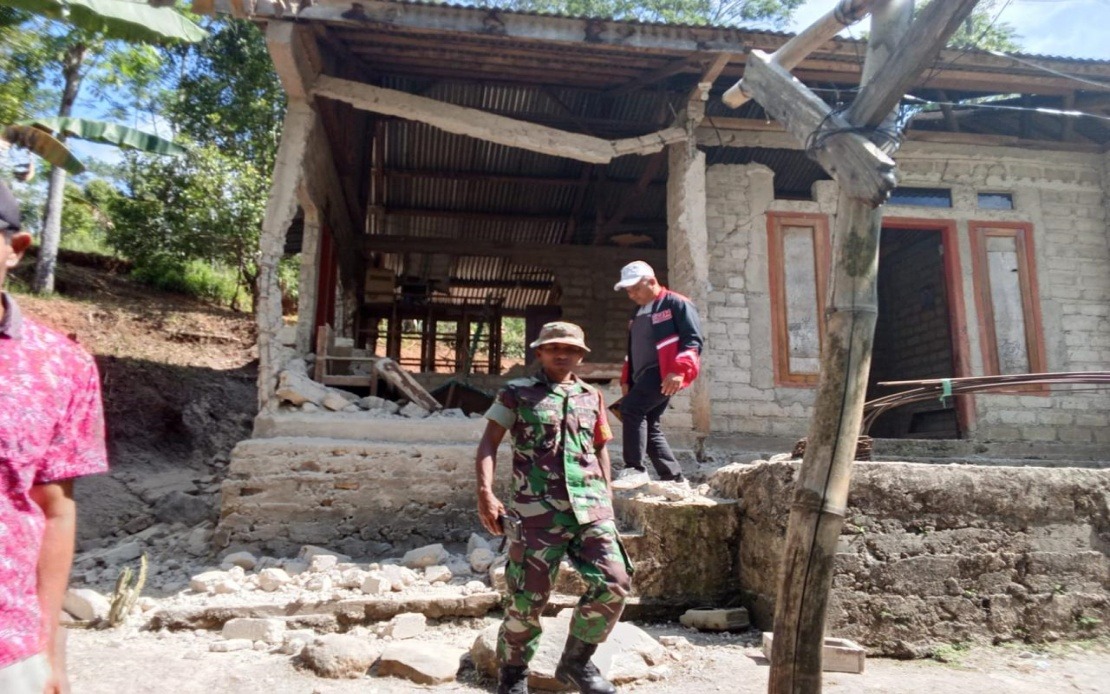
A magnitude 7.7 earthquake that struck Flores Island in Indonesia's East Nusa Tenggara province early on August 15 has left 16 Malaysian tourists shaken but unharmed, according to confirmation from Malaysia's Foreign Ministry. The tremor, which hit northeast of Mbay in Nagekeo Regency at 4.58 am local time, prompted immediate diplomatic action from Kuala Lumpur to account for citizens in the region. The Malaysian Embassy in Jakarta swiftly established contact with the affected tourist group, verifying their wellbeing and ruling out any casualties among Malaysians in the vicinity.
The rapid response from Malaysia's diplomatic mission underscores the established protocols for crisis management in Indonesia, a country that frequently experiences seismic activity and remains a popular destination for Malaysian holidaymakers. Flores Island, known for its natural beauty and cultural heritage, attracts considerable tourism from Malaysia and other nations. The speed with which embassy officials located and confirmed the safety of the tourist party demonstrates the effectiveness of coordination mechanisms between the Foreign Ministry and its overseas missions, though it also highlights the inherent vulnerabilities faced by citizens abroad during natural disasters.
East Nusa Tenggara sits along the Pacific Ring of Fire, a zone of intense seismic and volcanic activity that makes the region particularly prone to earthquakes. The magnitude 7.7 earthquake represents a substantial seismic event, though thankfully the preliminary reports suggest the tourist group's location allowed them to escape direct harm. Such powerful tremors can trigger secondary hazards including landslides, tsunami warnings, and infrastructure damage that might complicate evacuation or medical response efforts, making the immediate confirmation of safety a significant relief for Malaysian families and officials alike.
The Foreign Ministry's public advisory, released on Saturday, represented standard diplomatic communication designed to reassure both affected citizens and their relatives back home. Beyond confirming the wellbeing of the specific tourist group, the ministry stated it had received no reports of other Malaysians being harmed by the earthquake. This comprehensive check reflects the embassy's broader monitoring responsibilities across the region, requiring coordination with Indonesian authorities and systematic attempts to reach Malaysians scattered across the affected provinces.
Consular officials in Jakarta were instructed to maintain active coordination with local Indonesian authorities to continuously assess the situation and identify any additional Malaysians who might require assistance. This ongoing engagement is particularly important given that natural disasters often disrupt communications and complicate the identification of affected individuals. The embassy's commitment to sustained monitoring ensures that if secondary emergencies arise—such as aftershock-related injuries, displacement, or resource shortages—Malaysian officials can respond promptly and provide necessary support.
The ministry issued specific safety guidance to Malaysians either residing in or planning to travel to the affected areas, emphasizing the importance of remaining vigilant and following instructions from local authorities. Such advisories represent the government's duty of care toward its citizens abroad, establishing clear expectations that individuals should prioritize personal security and cooperate with Indonesian emergency management agencies. The guidance reflects the reality that foreign visitors, while often registered with their embassies, may be scattered across multiple locations with varying levels of accessibility and communication infrastructure.
Registration through Malaysia's e-Konsular portal emerged as a critical tool mentioned in the ministry's communications. This digital platform allows citizens to maintain updated contact information with their embassy, facilitating faster notification during emergencies and enabling consular staff to reach individuals quickly if crises occur. The emphasis on regular updates suggests that while many Malaysians maintain current registrations, others may allow their information to lapse, potentially creating gaps in the embassy's ability to account for all citizens during disasters. The system represents a fundamental shift toward technology-enabled consular services, though its effectiveness depends on citizen participation and maintenance.
For immediate assistance, Malaysians in distress can contact the Malaysian Embassy in Jakarta through an emergency helpline at +6281380813036 or via email at [email protected]. These contact channels operate around the clock during crisis situations, serving as the primary lifeline for citizens requiring urgent consular intervention. The provision of multiple communication methods—both telephonic and electronic—acknowledges that disasters may disrupt certain infrastructure, and offering alternatives ensures accessibility even when some systems fail.
The incident reflects broader patterns of natural disaster management in Southeast Asia, where seismic and meteorological hazards regularly threaten tourist destinations and resident communities. For Malaysian travelers, the relative frequency of earthquakes in Indonesia necessitates awareness and preparedness, even as most visits proceed without incident. The swift response by Malaysia's diplomatic corps in this instance demonstrates institutional readiness, yet also raises questions about whether adequate contingency planning exists for scenarios involving mass casualties or major infrastructure collapse that might overwhelm local response capacity.
Looking forward, the safety confirmation of these 16 tourists should not obscure the broader vulnerability of Malaysian citizens abroad during natural disasters. While the Foreign Ministry has established competent systems for initial assessment and contact, the true test comes when disasters cause significant damage, disrupt communications, or create humanitarian crises requiring sustained international coordination. The Flores earthquake, though ultimately resulting in no Malaysian casualties, serves as a reminder of the precarious position tourists occupy in seismically active regions and the importance of travel insurance, emergency preparedness, and maintaining clear communication with home country authorities.
The incident also highlights Indonesia's critical position as a host nation for Malaysian tourism and business activity. Approximately 250,000 Malaysians reside in Indonesia, while hundreds of thousands visit annually for tourism, business, and pilgrimage purposes. The country's exposure to natural hazards—including earthquakes, tsunamis, volcanic eruptions, and flooding—means that bilateral crisis management protocols remain perpetually relevant. As Malaysia and Indonesia deepen economic ties and people-to-people exchanges expand, the capacity of both nations' governments to respond effectively to disasters affecting cross-border populations becomes increasingly consequential for regional stability and public confidence in travel between the nations.

