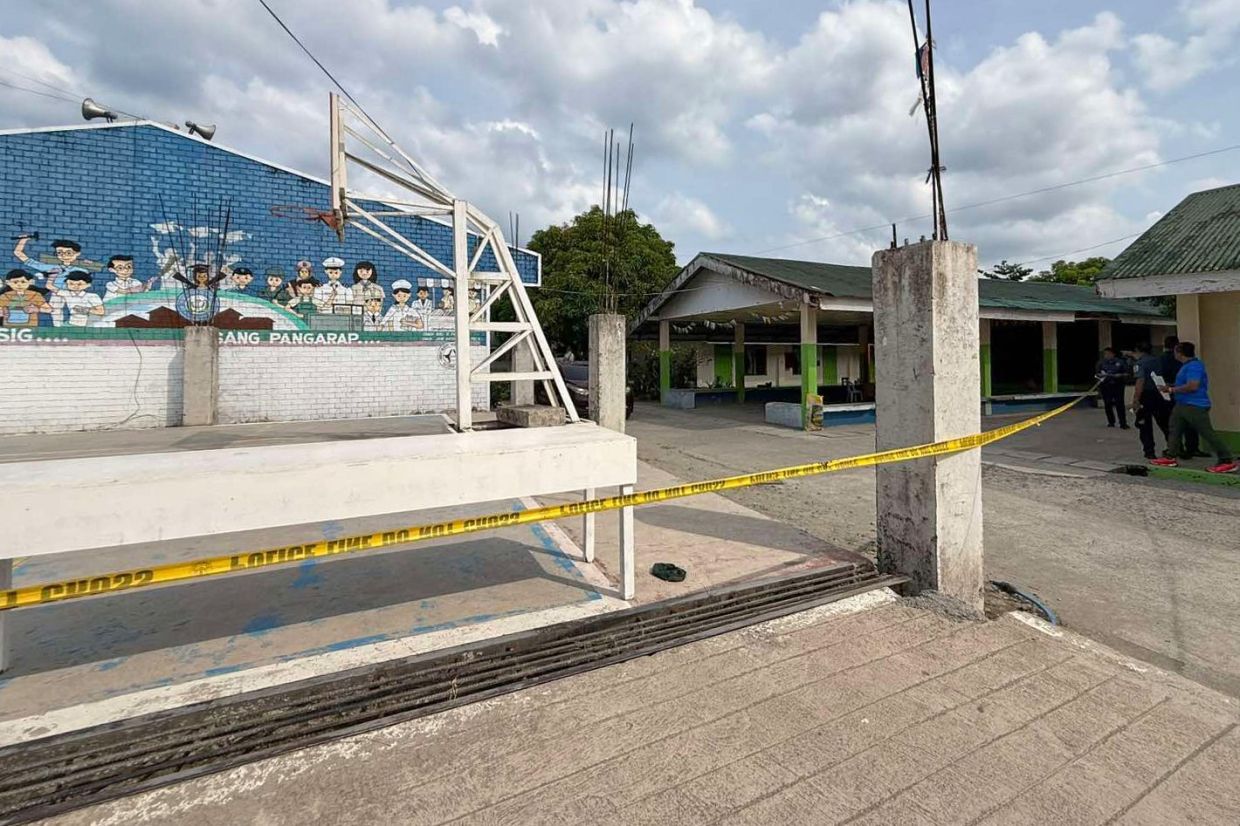
A 14-year-old female student has been held by Philippine National Police following her arrest for posting threatening messages on social media that targeted Tolosa National High School in Leyte. The case emerged shortly after a deadly school shooting occurred in Tacloban City, prompting heightened vigilance by law enforcement and deepening concerns about security threats circulating online among young people in the country.
Interior Secretary Jonvic Remulla announced the arrest at a press briefing held at Camp Crame on Thursday, June 25, disclosing that operatives from the PNP's Criminal Investigation and Detection Group apprehended the minor following a tip-off provided by Senator Bam Aquino. The senator's alert stemmed from the student's social media activity the previous evening, which triggered immediate investigation by authorities seeking to prevent any potential violence at educational institutions in the region.
The detained student, identified as a Grade 10 pupil attending Tolosa National High School, had posted threatening language that specifically targeted her own school community. The message read: "Hello. Send this to your friends. Yo, from Tolosa, prepare yourselves, especially to you, as you owe me. Get ready. I will disrupt the school. You won't know me, but you will recognise me. There is no time nor day. Be prepared for whoever gets shot or stabbed. We don't care. Good luck to you at Tolosa National High School." The inflammatory post mirrored the language and tone typically associated with school threat announcements that had circulated in recent years.
During their investigation, police discovered that the minor had maintained multiple Facebook accounts to spread her threatening content across different channels, suggesting a deliberate effort to amplify the message to a wider audience. Security officials utilised social media analysis techniques and information provided by concerned community members to confirm her identity behind the various accounts. However, once authorities located her, the student removed all her accounts and associated posts from the platform, attempting to erase evidence of her activity.
The young suspect cooperated minimally with investigators, demonstrating reluctance and apprehension about potential consequences. Her parents proved even less forthcoming when approached by officers from the Tolosa Municipal Police Station, refusing to offer any substantive information or explanation regarding their daughter's online behaviour. This lack of parental cooperation and the student's defensive posture complicated the investigation, though authorities ultimately concluded they had gathered sufficient evidence to establish what had occurred.
Because the detained minor could not be prosecuted under Philippine criminal law, specifically Republic Act No. 9344, the Juvenile Justice and Welfare Act, she was transferred to the Department of Social Welfare and Development and subsequently released into her family's custody. The legislation that protects minors from full criminal prosecution reflects the nation's legal framework, which distinguishes between adult and juvenile offenders.
Remulla indicated that investigators had identified personal and family problems as potential underlying causes for the student's threatening posts. After authorities engaged directly with the minor's household, officials determined that the threat had been neutralised and was no longer active. Police found no credible evidence of an organised plan to carry out violence, nor did they discover any involvement of additional parties in the scheme. Critically, neither the student nor any member of her family possessed access to firearms, substantially reducing the likelihood of actualised harm.
The interior secretary further theorised that the young suspect had been influenced by the San Jose National High School shooting that had occurred just days earlier in Tacloban City. That attack, carried out by two students aged 14 and 15, had claimed three lives and left at least twenty others injured, dominating media coverage and public discourse throughout the region. The extensive coverage likely created a copycat effect, whereby vulnerable adolescents contemplated their own violent scenarios.
Authorities discovered a notable connection between the suspects involved in the Tacloban shooting incident and the Tolosa student: all three were described as avid players of GoreBox, a violent video game featuring graphic content. The apparent correlation prompted the Cybercrime Investigation and Coordinating Centre to impose a temporary ban on the game following Monday's school shooting, marking a significant regulatory response to concerns about the medium's influence on young perpetrators.
The successive incidents highlight the profound security challenges confronting Philippine schools and the broader phenomenon of online threats originating from adolescents. For Malaysian policymakers and educators, the pattern reflects broader regional trends in youth violence and the role that social media platforms play in amplifying threats and potentially inspiring copycat incidents. The case demonstrates that even when threats are determined to be non-credible, the investigative burden on law enforcement remains substantial, and parental engagement proves essential in addressing underlying psychological and social factors.

