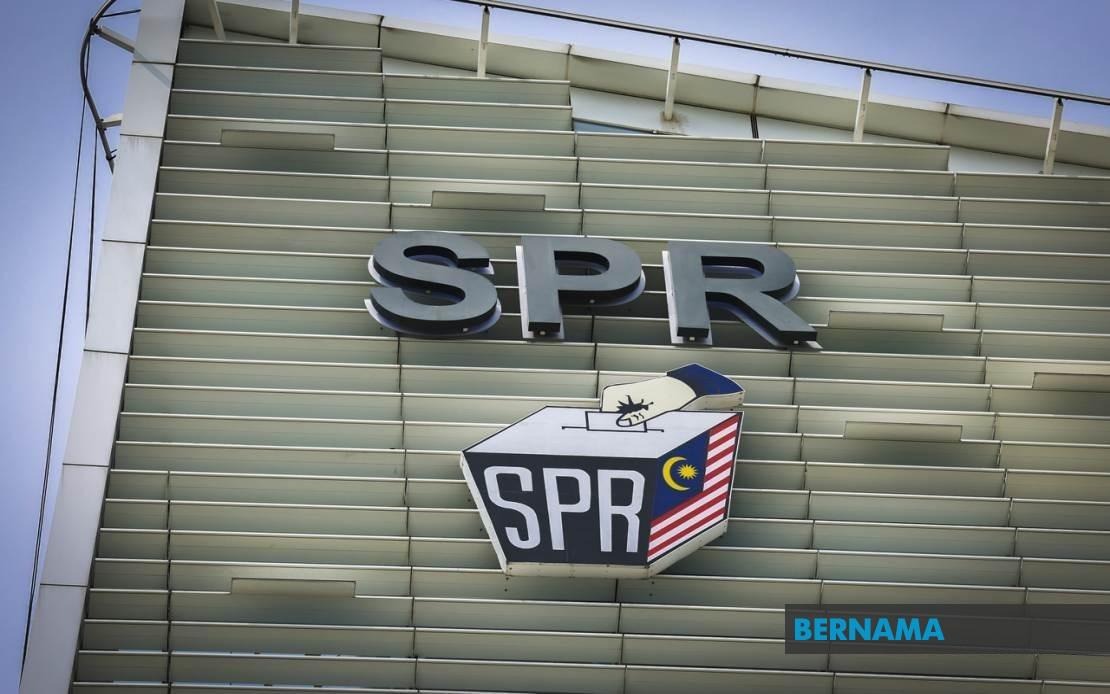
The Election Commission has begun issuing postal ballot papers for the 16th Negeri Sembilan state election, with 13,263 ballots handed out on July 20 to voters who qualify under established postal voting regulations. This distribution marks a critical phase in the electoral preparation process and reflects the commission's commitment to ensuring broad participation across different voter categories, including those unable to cast ballots at polling stations on the scheduled election day.
EC secretary Datuk Khairul Shahril Idrus confirmed that the ballot distribution followed the framework established by the Elections (Postal Voting) Regulations 2003, ensuring compliance with established electoral procedures. The careful categorization of postal voters demonstrates the systematic approach authorities adopt to accommodate the diverse circumstances of the Malaysian electorate, ranging from uniformed personnel to citizens working abroad.
The largest share of distributed postal ballots—12,669 papers under Form 1A—went to election officials, members of the Election Commission itself, police officers, military personnel, and media practitioners. This reflects the recognition that individuals involved in the electoral process or serving the nation in security capacities often cannot leave their duties to vote in person, necessitating alternative voting mechanisms to preserve their franchise rights.
Additionally, 343 postal ballots were issued through Form 1B to Malaysian citizens residing overseas, acknowledging the significant diaspora population that maintains citizenship ties and electoral interests. Another 251 ballots went to officers from eleven agencies operating in security and health sectors under Form 1C, recognizing that critical infrastructure roles require personnel availability during election periods. These provisions underscore how contemporary electoral systems must accommodate modern demographic realities and essential service requirements.
The entire distribution process occurred with scrutiny from representatives of all contesting parties and independent candidates, ensuring transparency and building confidence in the postal voting mechanism among political stakeholders. This multiparty observation represents a fundamental principle of democratic elections, where competing interests collectively validate procedural integrity.
Voters receiving postal ballots face specific obligations to ensure the voting process remains valid and protected. The Election Commission emphasized the necessity of completing the Identity Declaration Form accurately and comprehensively alongside the ballot paper itself. Beyond the technical requirements, authorities have strongly cautioned voters against photographing their ballots or disseminating such images on social media platforms, a growing concern as digital communication reshapes electoral practices and creates potential security vulnerabilities.
Postal voters must submit their completed ballots to the appropriate returning officers before 5 p.m. on August 1, the official polling day. This deadline is non-negotiable and reflects the need to consolidate results within a defined timeframe. The requirement that ballots arrive back through official channels before polls close ensures that all postal votes can be properly verified and counted alongside ballots cast at polling stations, maintaining the integrity of the aggregate result.
The Negeri Sembilan election involves 103 candidates competing for 36 state assembly seats, reflecting a moderately competitive political landscape for the state. Early voting has been scheduled for July 28, providing additional flexibility for voters unable to participate on the main polling day, further expanding the franchise opportunities available to the electorate. This multi-phased voting arrangement represents contemporary best practice in electoral administration.
According to the Electoral Commission's updated register as of June 4, 2026, Negeri Sembilan contains 889,490 registered voters. The overall voter population comprises 867,151 ordinary voters forming the core electorate, supplemented by 16,884 military personnel and their spouses, and 5,455 police personnel designated as early voters. This composition reflects Malaysia's emphasis on ensuring that those in uniformed services, whose work may interfere with standard polling day participation, receive structured accommodation within the electoral system.
For Malaysian observers and the broader Southeast Asian region, the Negeri Sembilan election demonstrates the sophistication of Malaysia's institutional approach to elections and the ongoing refinement of mechanisms designed to maximize voter participation while maintaining security and procedural consistency. The postal voting system, though accounting for a relatively small proportion of total ballots, illustrates how electoral authorities adapt to the complexities of governing diverse, geographically dispersed populations with varying occupational circumstances.

